

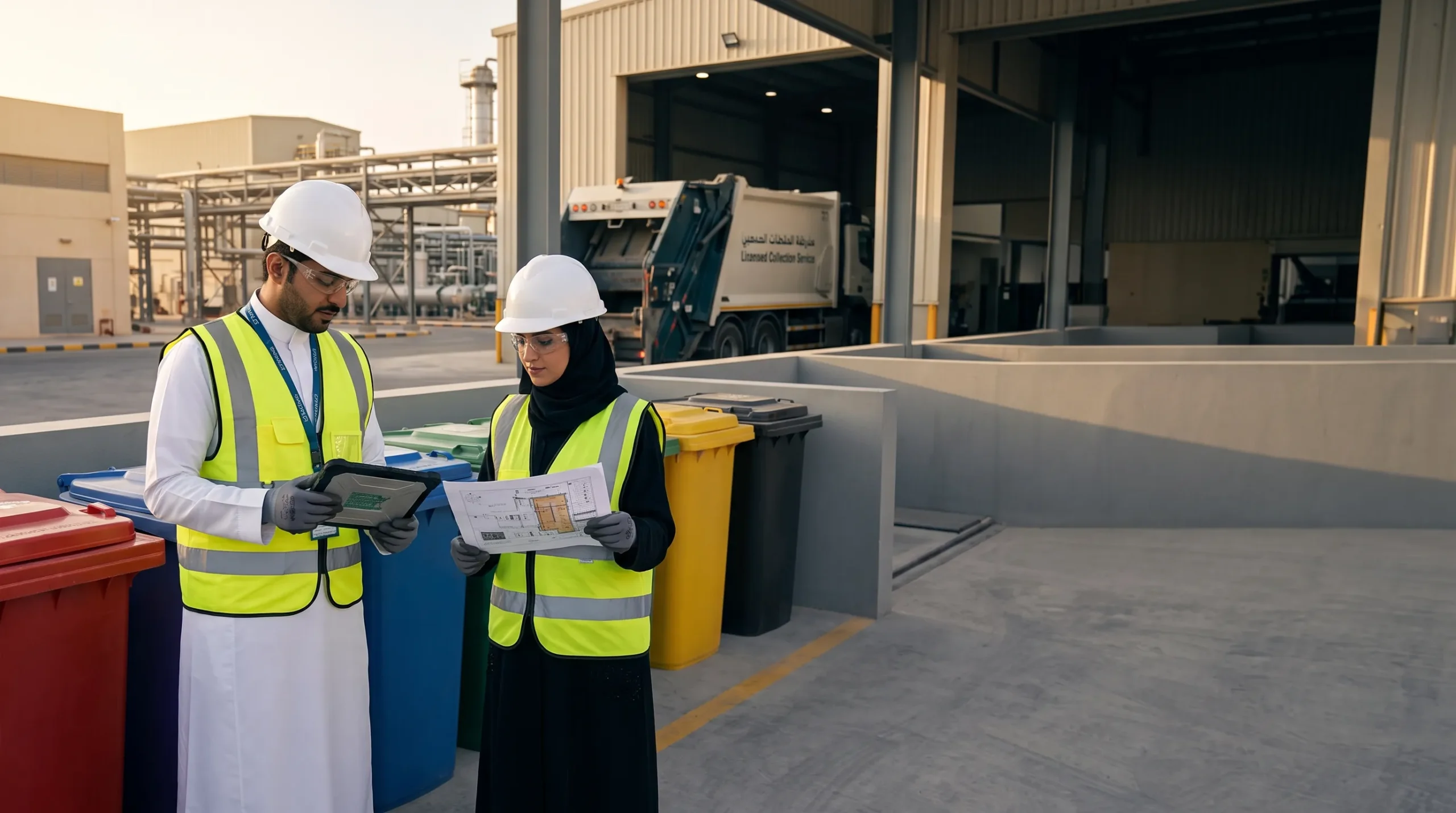
Waste management for projects and facilities
Waste Management Services in Saudi Arabia from generation point to final destination
Terra Pulse provides waste management services in Saudi Arabia for industrial and hazardous waste, from audits, classification and waste management planning to segregation, storage, documented transport, treatment, recovery, final disposal and performance reporting.
Quick answer
What is industrial waste management?
It is a structured system for identifying, classifying, segregating, storing, transporting and directing facility waste to treatment, recovery or final disposal, with defined responsibilities, records and traceability evidence at every stage.
The service is not limited to removing containers from the site. The correct decision begins at the generation point, prioritizes waste prevention, reuse, recycling and treatment, and reserves final disposal for residues without a suitable higher-value route under the applicable requirements and available options.
01Reduce at source
02Reuse and recover
03Treat safely
04Controlled final disposal
Service boundaries
Terra Pulse supports technical planning, operational controls, documentation and coordination. Waste transport, treatment and disposal activities must be carried out through authorized service providers and facilities appropriate to the activity, waste type and applicable requirements.
Service scope
Waste management services from assessment to operational follow-up
The final scope depends on the sector, waste types and quantities, physical state, generation and storage points, available routes and facility needs.
Waste audit and inventory
Inspect generation points and review processes, materials, records, containers and current quantities.
Classification and register
Define waste streams, properties, sources, quantities, physical state and proposed management route.
Waste management plan
Set procedures for segregation, storage, handling, emergencies, training, responsibilities, records and KPIs.
Hazardous waste management
Controls for container identification, compatibility, temporary storage, spill response and documented handover.
Transport and destination coordination
Define quantities and collection schedules while checking the transporter, facility and receipt records.
Landfill management support
Support for cells, cover, leachate, gas, monitoring and records when landfill operations enter the scope.
Waste lifecycle
Every waste stream needs a decision, an owner and closure evidence
The lifecycle is built around actual facility data. Waste leaving the site does not end the facility's documentation process.
Generation point
Identify the process, location, quantity and reason for waste generation.
Segregation and identification
Prevent mixing and place waste in a suitable, clearly identified container.
Temporary storage
Maintain an organized area with condition, quantity and duration checks.
Transport and receipt
Match the transporter, destination, quantity and movement documentation.
Treatment or disposal
Record the final outcome and update the waste register and KPIs.
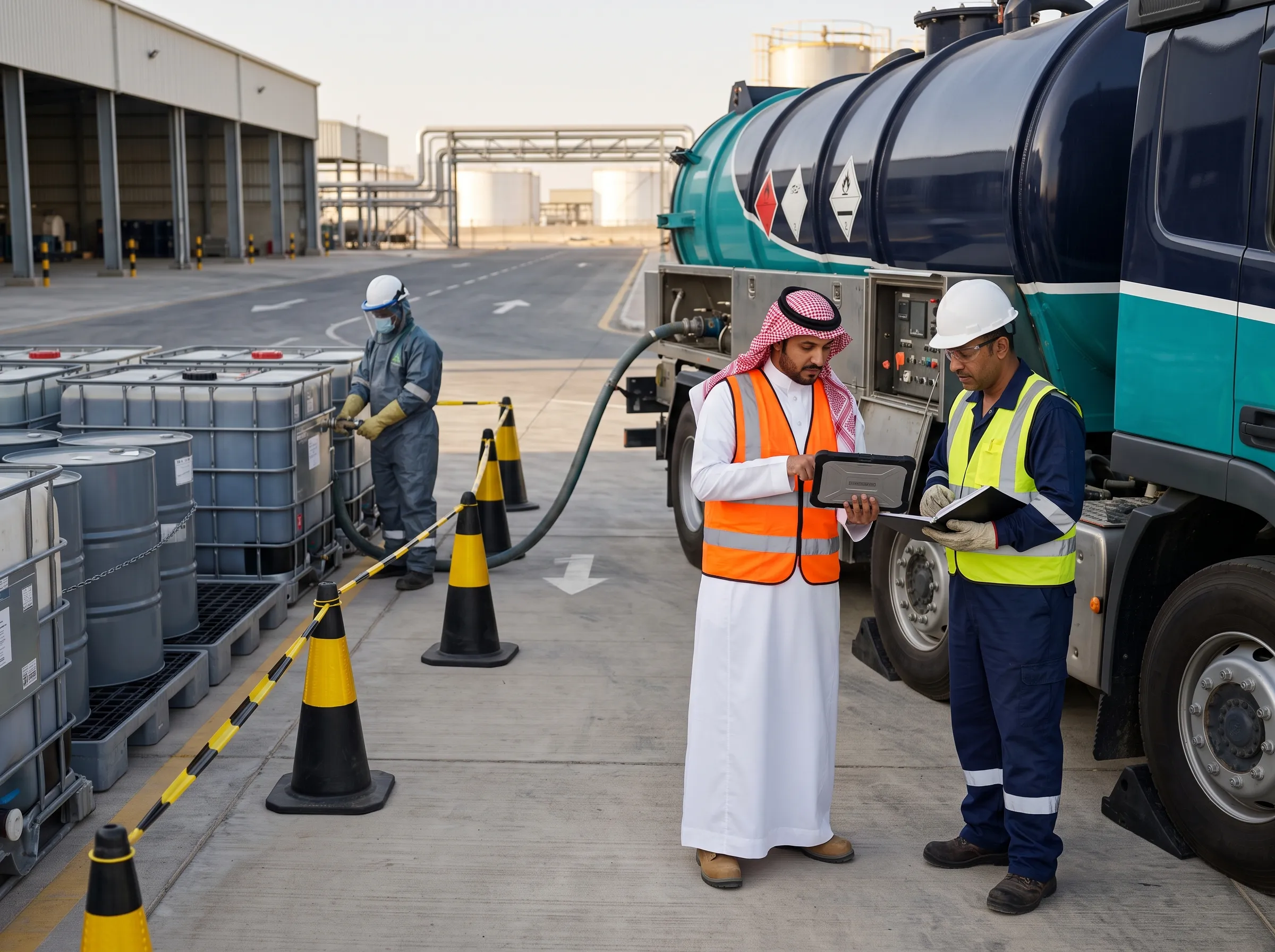
Waste audit
An accurate inventory starts with the process, not only the container
Materials, production processes, losses, maintenance, cleaning, packaging and stores are reviewed to identify where waste is generated and why. Findings are then compared with records and actual transferred quantities.
01
Generation-source mapConnect every stream to its process, location and owner.
02
Quantity databaseUnits, frequency, physical state and seasonal or operational variation.
03
Gap assessmentMixing, containers, areas, records, training and service providers.
04
Reduction and recovery opportunitiesMeasurable actions connected to source, cost and outcome.
Segregation and storage
Hazardous waste management requires more than a dedicated container
Controls depend on waste properties, packaging, compatibility, location and risk, with defined inspection, spill, emergency and handover procedures.
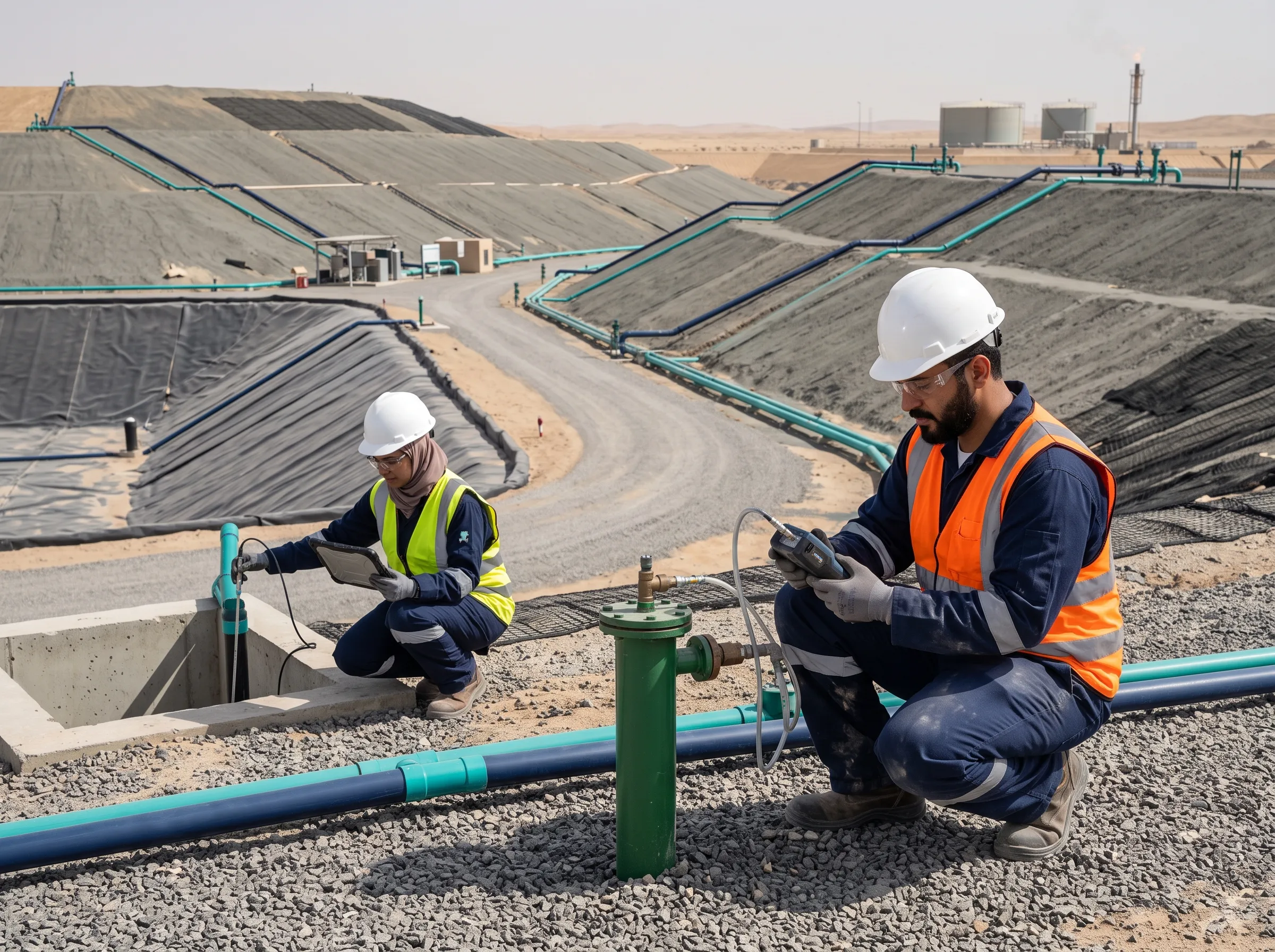
01 — Segregation
Prevent mixing at source
Suitable containers, clear routes and identification linked to source and physical state.
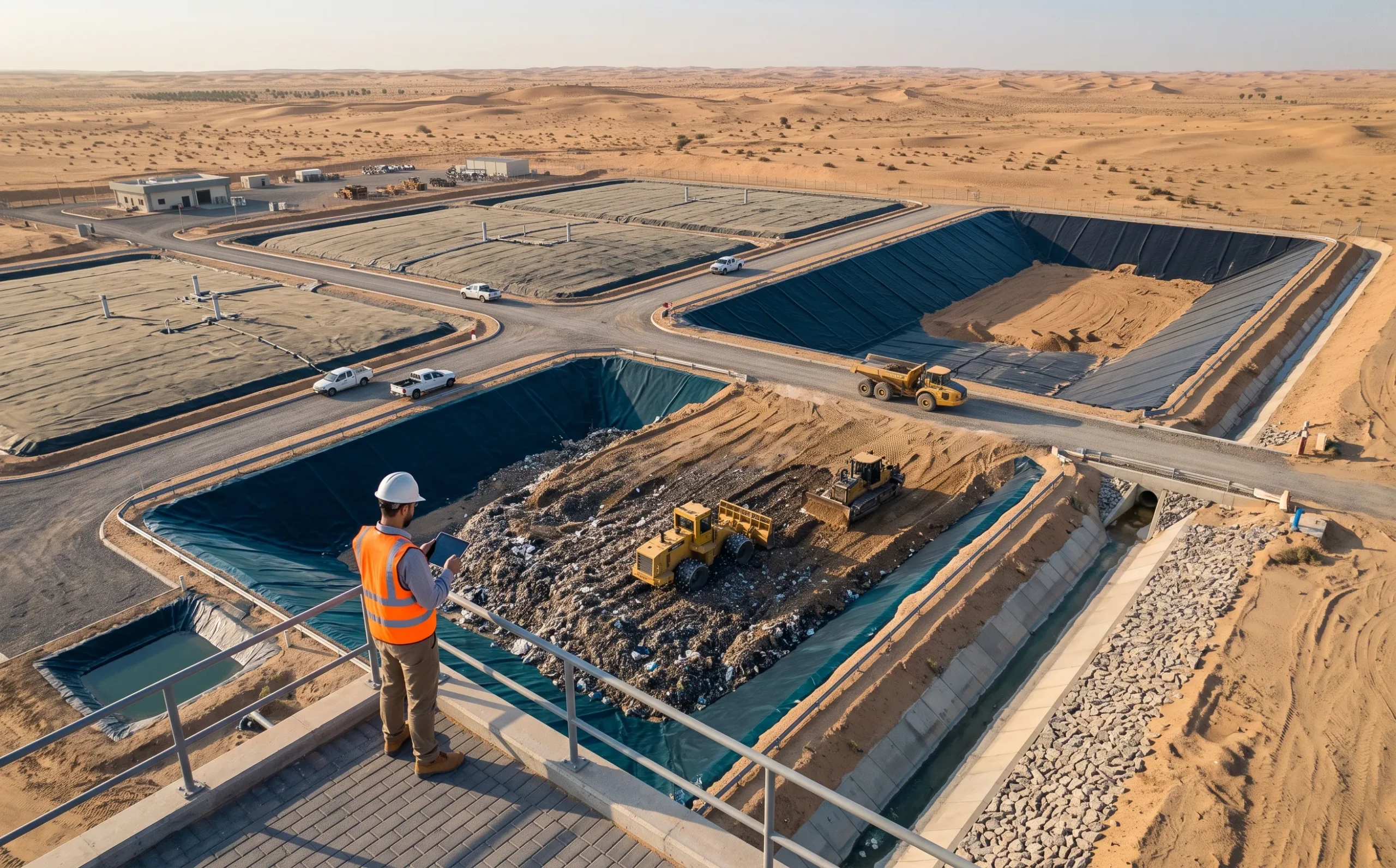
02 — Storage
Containment, separation and inspection
Closed containers, secondary containment, controlled access and condition, quantity and duration records.
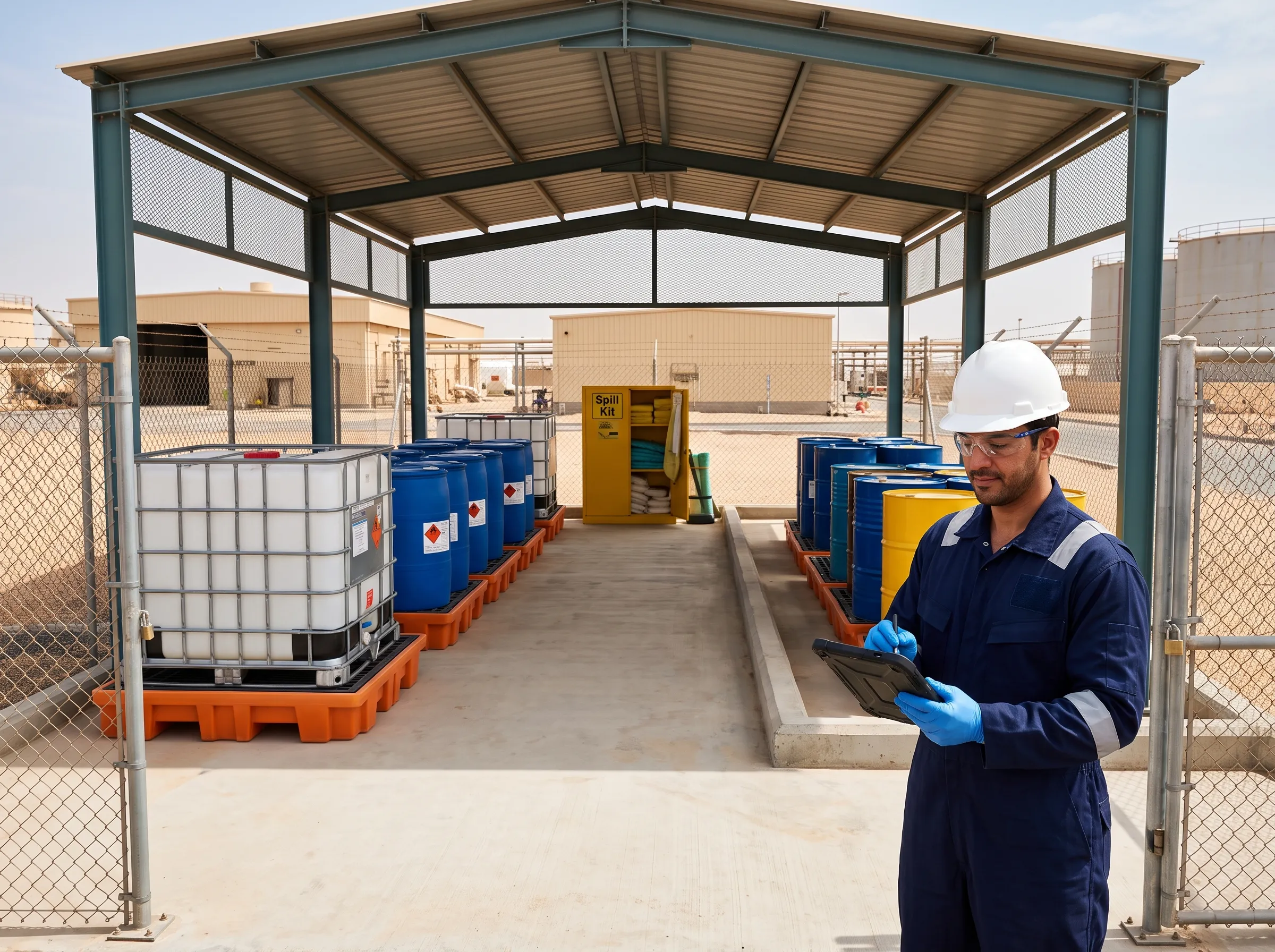
03 — Handover
A traceable chain of custody
Match the waste, quantity, transporter, destination, movement document and receipt.
Transport control
Waste leaving the facility gate does not close the record
Documentation should connect the waste source, description, quantity, dispatch date, transporter, destination and receipt outcome, while confirming that the parties and route are appropriate for the waste involved.
Stream identityClear description, classification and source
Quantity and dateData aligned with facility records
Transporter and destinationA suitable route for the waste type
Closure evidenceDocumented receipt, treatment or disposal
Treatment and recovery
Destination selection begins with waste properties and reduction or recovery potential
No single route suits every waste stream. Depending on the waste, requirements and available options, the decision may involve reuse, recycling, recovery, treatment or final disposal.
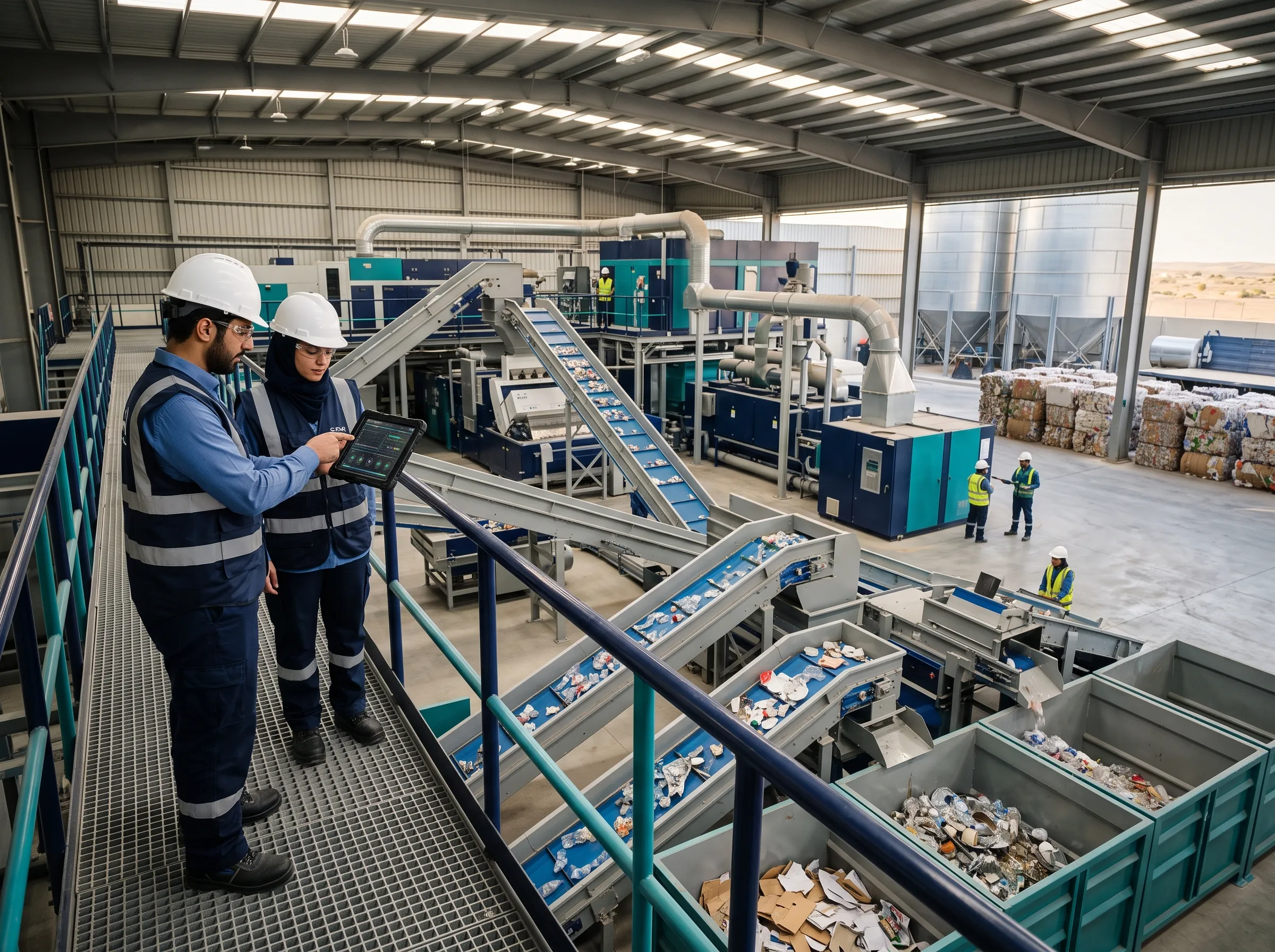
Treatment and resource recovery
Assess reuse, recycling and recovery opportunities and define the collection, quality and quantity conditions required for the selected route.
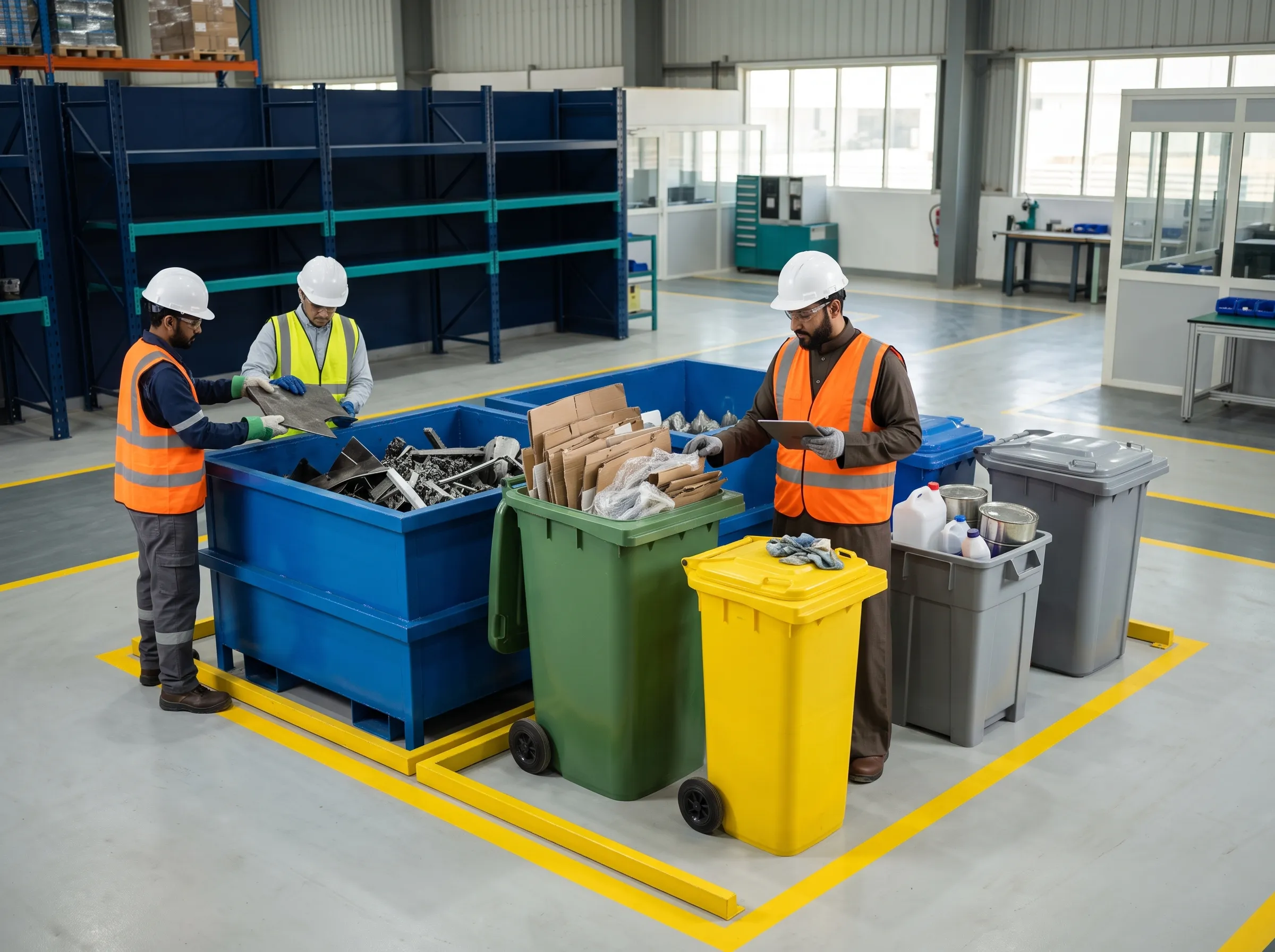
A data-based decision
Compare quantity, cost, risk, feasibility and environmental outcome, then document the decision and monitor its performance over time.
Landfill management
Landfill operations require daily control of cells, water, leachate, gas and records
When the assignment includes landfill management or operational support, the scope is built around the facility type, accepted waste, design, permits and approved operating plan. Landfilling is not treated as uncontrolled unloading; it is a sequence of reception, inspection, routing, compaction, cover and monitoring.
Reception and acceptanceCheck loads, documentation and route
Cell operationsRouting, compaction, cover and internal roads
Leachate and gasCollection, operation, monitoring and response
Reporting and closureQuantities, incidents, inspections and future plan
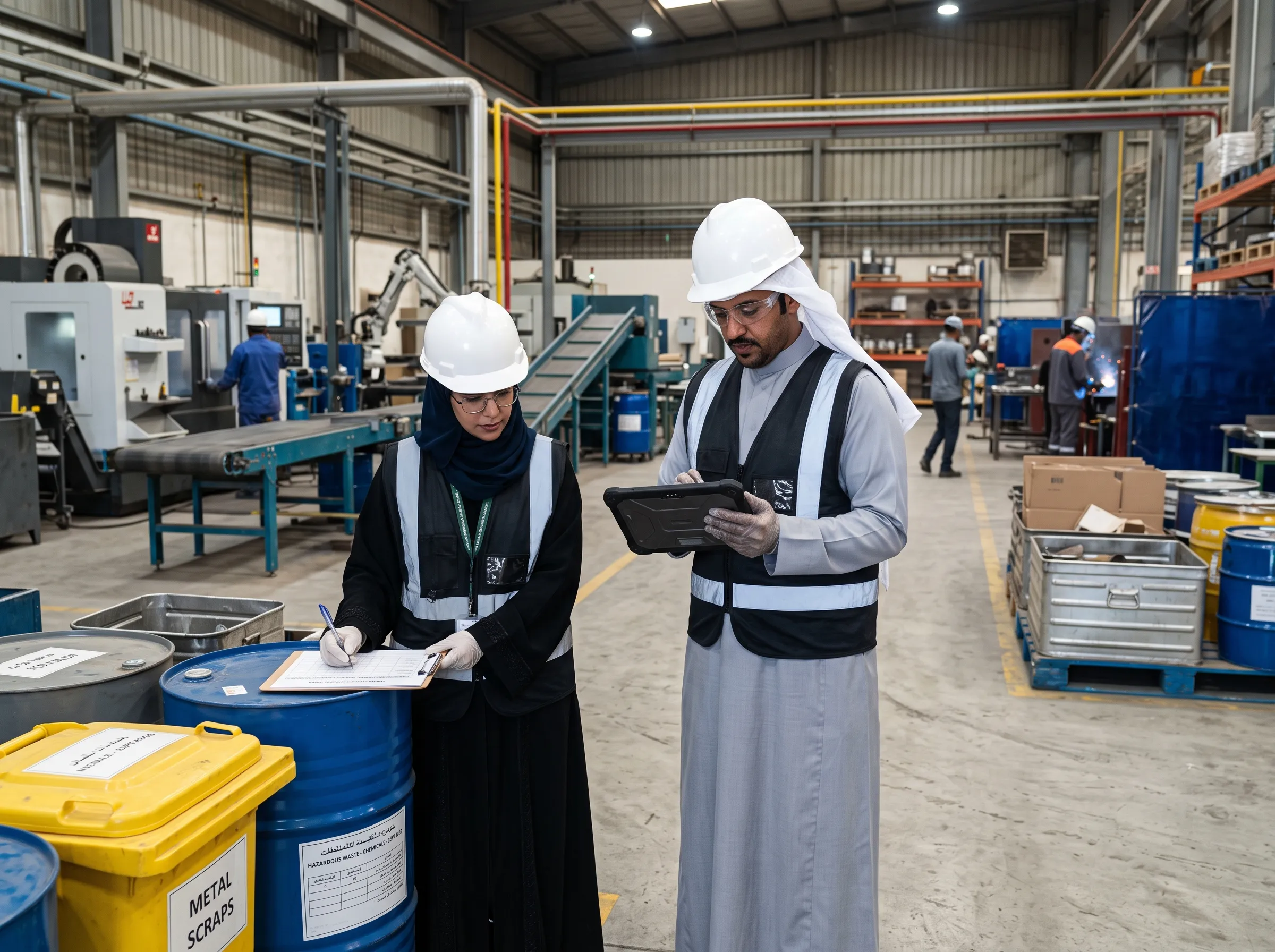
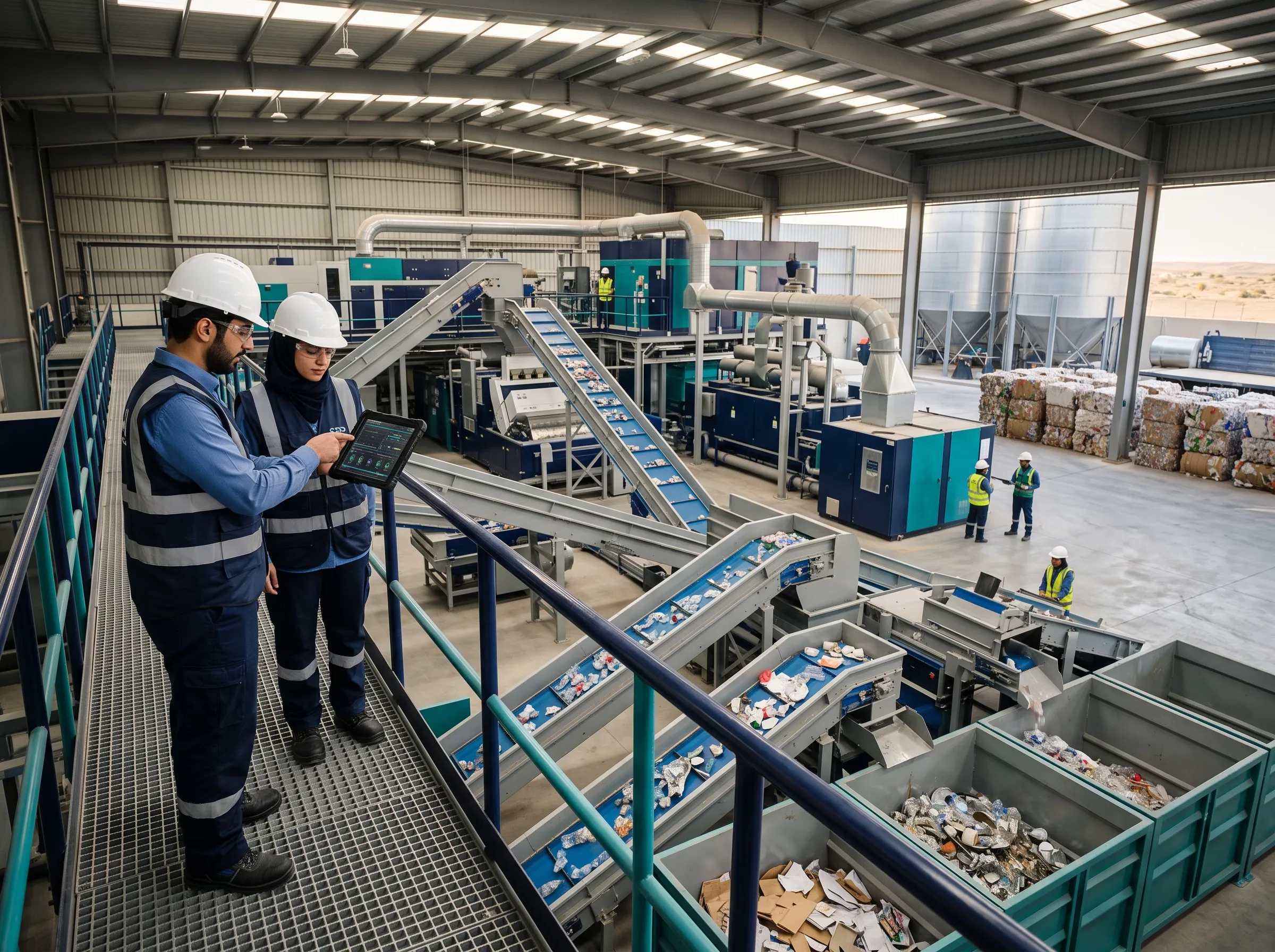
Monitoring and maintenance
Measurement adds value when it is connected to an operating decision
Monitoring points, frequency, methods and records are defined according to the facility and approved plan. Results should support trend review, priority setting and response to deviations.
Leachate and waterCollection status, levels, leaks and critical areas.
Landfill gasReadings and condition of wells, pipelines and collection equipment.
Odor and dustSources, conditions, complaints and control measures.
Stability and coverSettlement, erosion, cover, drainage and maintenance.
Service deliverables
An operational file that shows where every waste stream goes
Final deliverables depend on facility conditions, waste types, technical scope and the responsibilities of the client and service providers.
01
Waste register and classification matrix
Source, description, properties, quantity, state, container, route and responsible person.
02
Waste management plan
Procedures, responsibilities, controls, emergencies, training, records and KPIs.
03
Storage-area layout
Distribution, separation, containment, access, movement and required equipment.
04
Transport and receipt register
Quantity, date, transporter, destination, documentation and closure status.
05
KPI dashboard and follow-up reports
Generation, segregation, recovery, incidents, costs, gaps and actions.
Data and decisions
A useful report turns waste movements into measurable decisions
Indicators are selected for each facility and may include total generation, waste intensity against production, segregation and recovery rates, incidents, route costs and corrective-action status.
QuantityBy stream, source and period
DestinationRecovery, treatment or disposal
TrendImprovement, deviation and action
Why Terra Pulse?
A system connecting field conditions, records and final destinations
Connect waste to materials, production, maintenance and operations instead of treating it as one mixed stream.
A plan adapted to waste types, quantities, site conditions, resources and available routes.
Records connecting the source, container, transport, destination and final outcome.
Reduction and recovery actions tied to a baseline, KPI, owner and due date.
What is industrial waste management?
It is the structured management of waste generated by industrial activities, from audits, classification, segregation and storage to transport, treatment, recovery or final disposal, supported by responsibilities, records and traceability evidence.
What is the difference between industrial waste and hazardous waste?
Industrial waste is generated by industrial activities and processes. Some industrial waste is hazardous and some is non-hazardous. Classification depends on the waste's composition, properties and applicable requirements, not only the facility type.
What does a waste management plan include?
It commonly covers waste sources, types and quantities; reduction, segregation, storage, handling and transport procedures; responsibilities, emergencies, training, records, destinations and performance indicators.
How should hazardous waste be managed within a facility?
It requires clear identification, suitable containers, separation of incompatible materials, secondary containment, controlled storage, periodic inspection, spill and emergency procedures, and documented handover through the appropriate route.
Does the service include waste transport and disposal?
This is defined in the technical proposal. The service may cover planning, coordination, document checks and follow-up, while transport, treatment or disposal activities are performed by authorized parties and facilities suitable for the waste and activity.
What records are required for waste traceability?
Depending on the case, records may include the waste register, quantity data, movement or transport documents, transporter and destination details, receipt or treatment evidence, and registers for incidents, comments and corrective actions.
How is the cost of waste management services determined?
Cost depends on the number of sites, waste types, quantities and hazards, collection frequency, visits, analyses, training, documentation, selected routes and the required operational or follow-up scope.
Can the service include landfill operations?
A separate scope can be developed for landfill management or operational support based on facility type, accepted waste, design, permits, operating plan, monitoring, maintenance and required deliverables.
Official regulatory references
Current versions and activity-specific requirements should be reviewed when work begins because licenses, permits and documents vary according to the facility's role, service-provider activity and waste type.
Related services and content
Supporting services with separate search intent
Each service has its own scope and can be connected to a waste management plan when genuinely required by the project or facility.
Start with actual data
Do you need an industrial waste management plan for your facility?
Share the activity type, location, waste sources, waste types and quantities, storage areas and current routes. We will help define the assessment scope, plan and appropriate next step.