

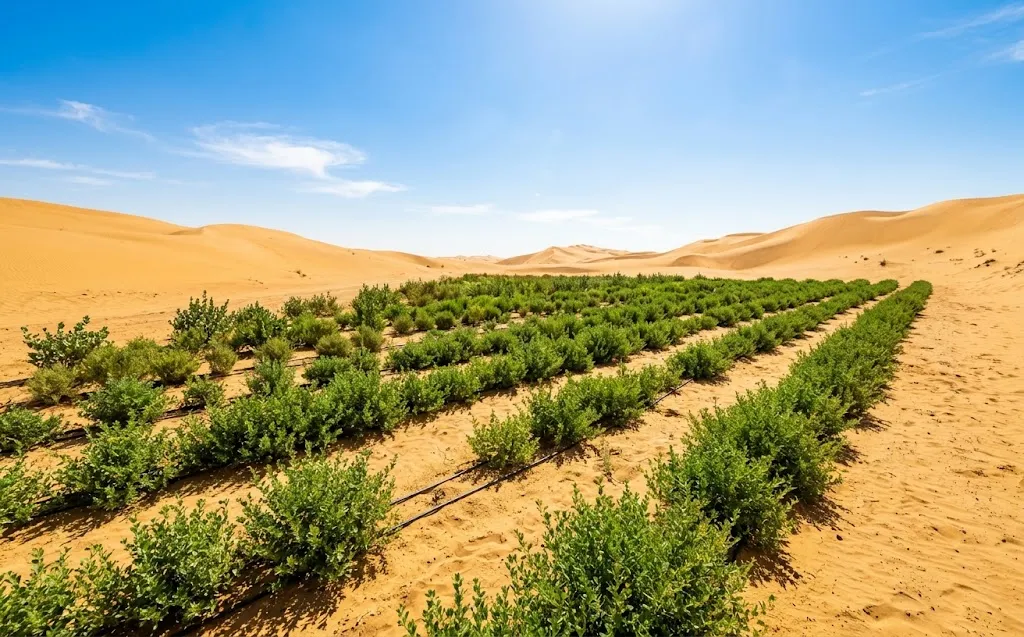
Site-specific environmental solutions
Contaminated Site Remediation in Saudi Arabia From assessment to verified outcomes
Contaminated site remediation in Saudi Arabia begins with identifying the source, extent and movement of contamination, then assessing risks and selecting a response suited to the site’s future use. Terra Pulse supports facilities and project owners with assessment, planning and technical deliverables within the agreed scope and applicable environmental requirements.
Quick answer
What does contaminated site remediation involve?
It is a planned process for identifying contamination, its source, extent and potential risks, then removing, containing or reducing it against objectives suited to the site and its intended future use. The work includes verifying the results and defining any follow-up that may be needed.
Environmental cleanup may involve contaminated soil, groundwater or sediment, management of excavated materials, and control of the original source. A site’s appearance alone cannot establish contamination or determine the right remedy; decisions should follow investigation, analytical results, risk assessment and applicable requirements.
01Identify the source
02Characterize impacts
03Remediate or contain
04Verify and monitor
Regulatory context
Plans for contaminated site remediation and environmental rehabilitation may be subject to requirements, review and approval by the competent authority. Confirm that the service provider’s current license and scope cover the specific assignment before work begins.
Service scope
Contaminated land assessment and remediation planning
The scope depends on site history, activity, potential sources, affected media, available data and the environmental requirements applicable to the case. Assessment findings help determine a suitable environmental cleanup pathway instead of applying a generic solution.
Site history review
Review past land uses, records, drawings, incidents, storage and operating areas to identify potential contamination sources.
Initial site inspection
Document field observations, priority areas, information gaps and any immediate safety or exposure concerns.
Environmental site assessment
Define investigation objectives, sample locations and depths, analytes, quality controls and sample documentation.
Contamination risk assessment
Connect potential sources with transport pathways and receptors, considering current and planned site use.
Soil remediation services
Compare removal, containment and treatment alternatives, including secondary waste, water or emissions.
Verification and reporting
Organize verification criteria, analytical results, records and monitoring recommendations to match the agreed scope.
Remediation process
From suspected contamination to a documented site decision
Project steps and detail vary by site. The working model should be updated as new evidence emerges, including results that change the investigation or remediation scope.
Review available data
Identify historical activities, potential sources and contaminant pathways.
Investigate the site
Plan fieldwork and sampling to characterize relevant site media.
Analyze and assess
Interpret results against applicable criteria and potential receptors.
Compare alternatives
Review feasibility, risk, duration and secondary impacts of each option.
Implement and verify
Follow the plan and document closure results or ongoing monitoring.
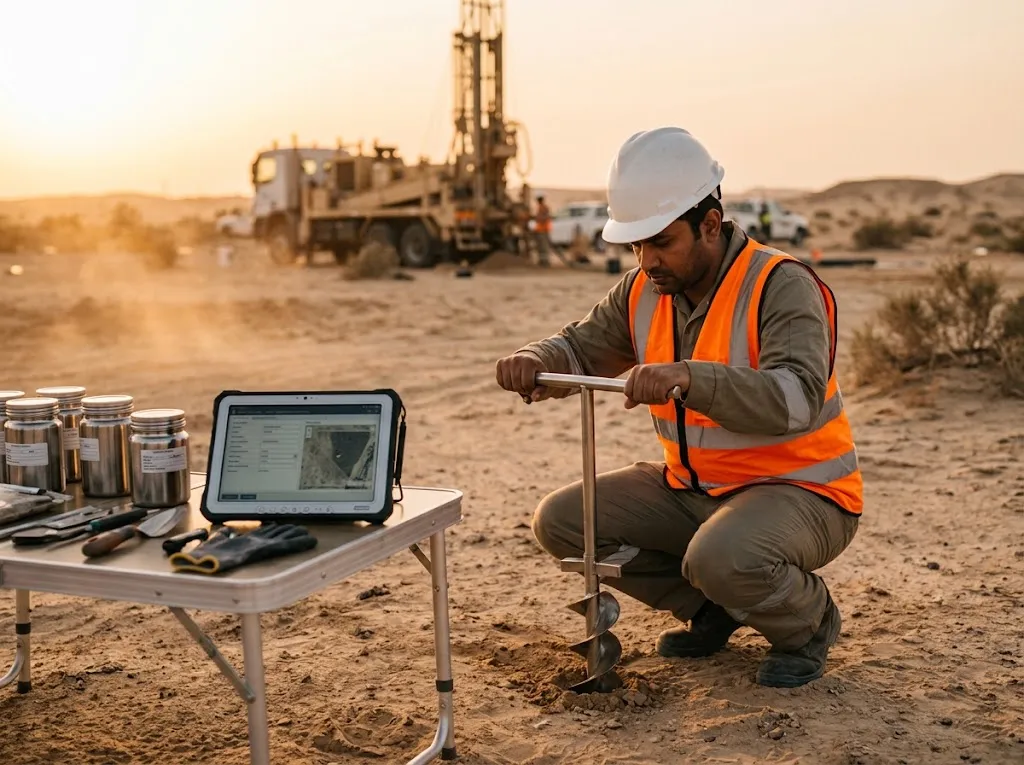
Environmental site assessment
A sound assessment defines what to investigate before selecting a remedy
Assessment begins with a review of past activities, materials, incidents, storage and records. The team develops an initial model linking potential contamination sources to affected media, pathways and receptors. This directs sampling and helps avoid decisions based on untested assumptions.
01
Potential sourcesTanks, maintenance, storage and discharge areas, based on site history.
02
Media to investigateSurface or subsurface soil, and where relevant, groundwater or sediment.
03
Pathways and exposureWater movement, vapour or dust and their links to workers, neighbours or resources.
04
Data qualityDocument sample locations, depths, handling, chain of custody and quality controls.
Site media and sources
Assessment extends beyond the soil surface or visible conditions
Site history, geology, hydrogeology and initial findings guide the investigation. A past industrial use informs hypotheses; by itself, it does not prove which contaminants are present or at what concentration.
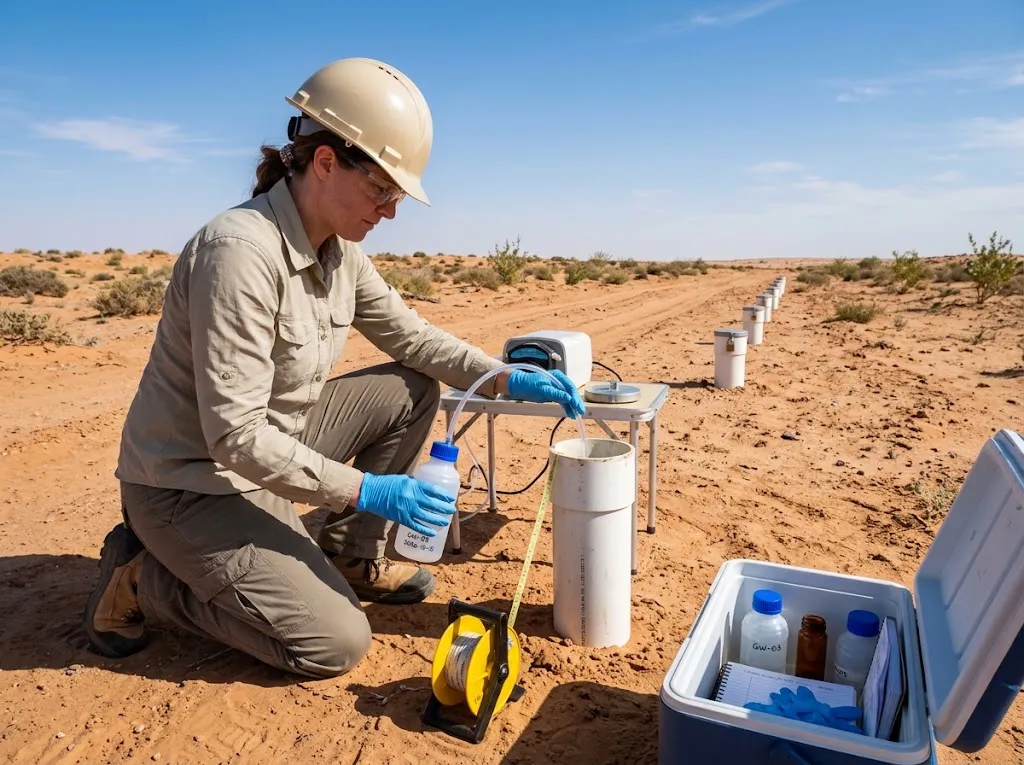
01 — Soil
Define horizontal and vertical extent
Representative samples help characterize affected soil, depth and boundaries, with analyses guided by potential sources.
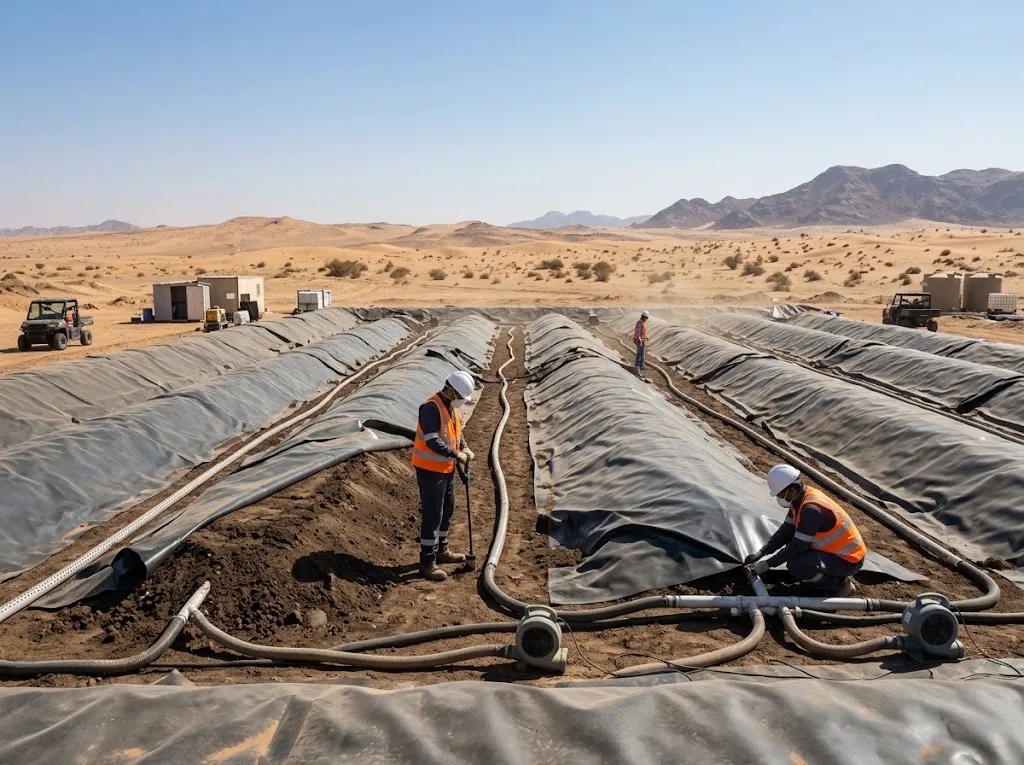
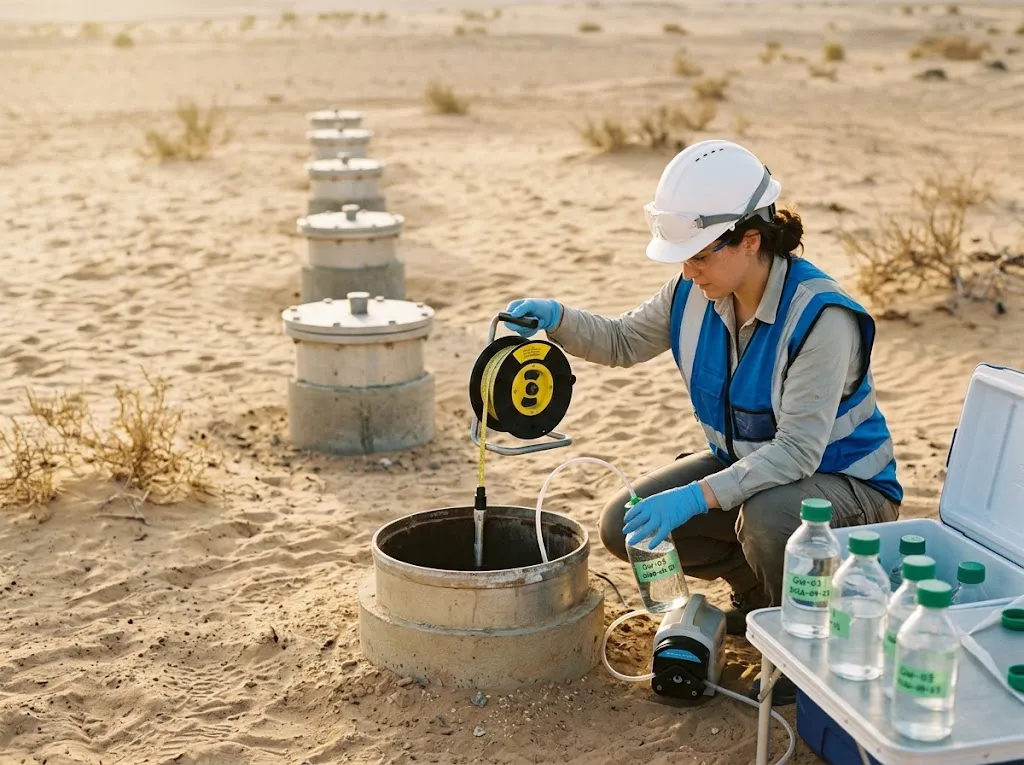
02 — Water
Assess potential contaminant migration
Where indicated, investigation may consider groundwater or surface water, contaminant movement and exposure pathways.
03 — Site history
Link activities to potential sources
Operating areas, incidents, storage, maintenance and records inform hypotheses to be tested through fieldwork.
Risk assessment
Risk depends on the link between a source, pathway and receptor
Finding a contaminant alone does not establish the level of risk. Assessment considers the source, whether contamination can move, and how people or the environment could be exposed. The results inform intervention priorities and remediation objectives.
SourceWhat is the substance, and where did it originate?
PathwayHow could it move within or beyond the site?
ReceptorWho or what could be affected?
Remediation decisionWhat outcome can be verified and monitored?
Soil remediation services
Select a method based on the contaminant, site and intended outcome
No single technology suits every site. Alternatives may need to be compared or piloted before final design, including how secondary impacts and residual materials will be managed.
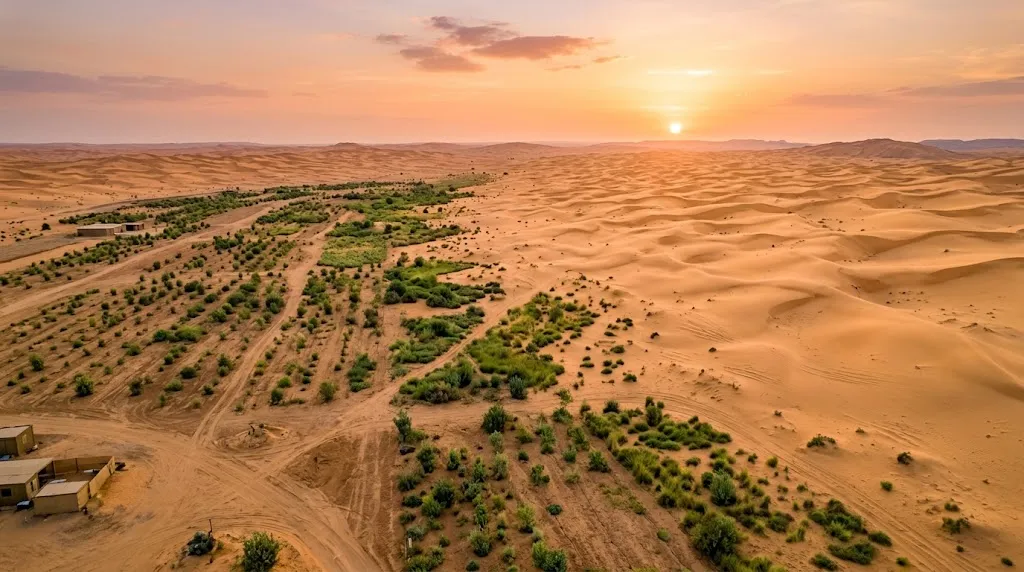
On-site and off-site treatment
Options may include excavation and removal to an appropriate facility, containment or capping, stabilization, bioremediation, thermal treatment or soil washing, depending on investigation results and feasibility.
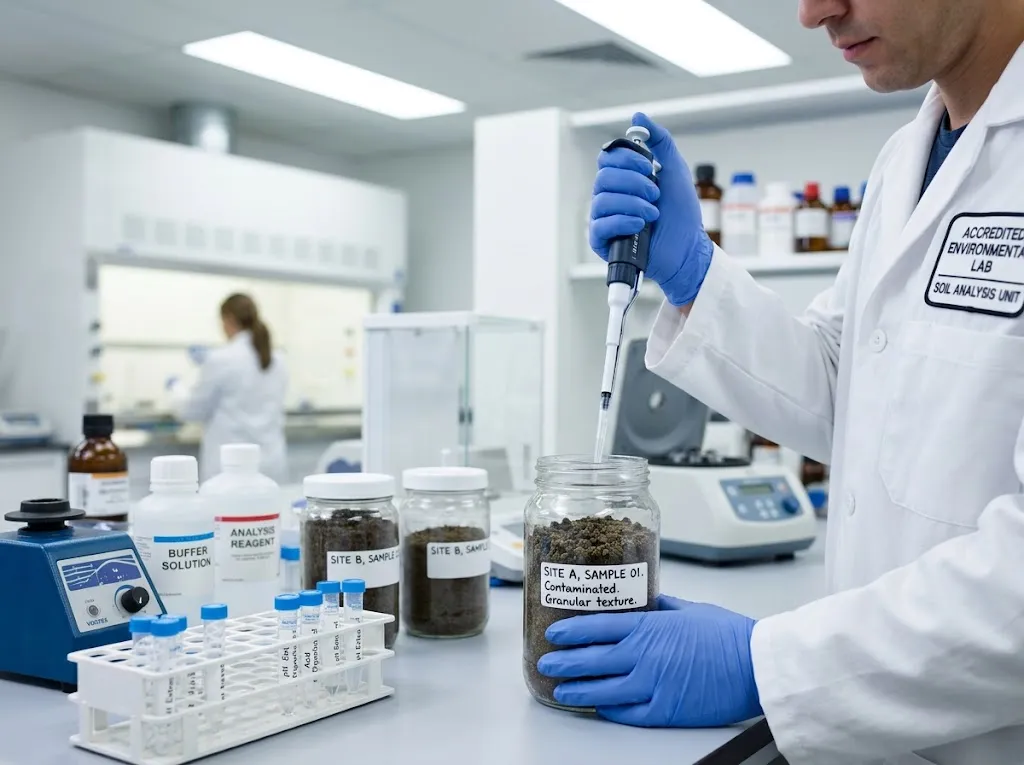
Documented decisions and verification criteria
Alternatives are compared for risk reduction, duration, cost, implementability, resource use and secondary waste. The plan should define how outcomes will be measured and documented before work begins.
Land remediation and rehabilitation
Plan for future use after the contamination source is controlled
Rehabilitation may include site grading, drainage improvements, surface stability, management of residual materials and revegetation where suitable. Future use should be consistent with assessment findings and any restrictions or monitoring requirements that apply to the site.
Control the sourceAddress an active release or contributing activity where present.
Manage outputsDefine routes for soil, water and materials generated by treatment.
Reinstate the sitePlan drainage and stability measures for site conditions.
Align future useLink reuse plans with verification and monitoring results.
After remediation
Review the site against its defined objective
Future use decisions should follow verification results and the applicable plan. Some sites may require continuing restrictions or monitoring.
- Documented verification samples
- Records for soil, water and treatment outputs
- Recommendations for future use and follow-up
Monitoring and verification
Verification tests the objective; monitoring tracks change over time
Indicators, locations, frequency and decision thresholds should be set in the plan and aligned with applicable requirements. Records should support review of results and any action taken.
Verification samples
Collect samples under a plan defining locations, depths, target analytes and comparison criteria.
Quality assurance
Document collection, preservation, transport, quality controls and interpretation of laboratory results.
Monitoring where needed
Ongoing checks of groundwater or other media may be required by risk findings or an approved plan.
Manage unexpected results
Record and assess deviations, then determine whether additional investigation or action is needed.
Document closure
Compile implementation records, photographs, analytical results and use or monitoring recommendations.
Define responsibilities
Clarify responsibility for maintenance, restrictions or future monitoring where these remain necessary.
Service deliverables
Documents that connect site findings to a reviewable plan
Final deliverables are agreed in the technical scope based on the assignment, available data and competent-authority requirements. Some cases require a licensed provider or approvals before implementation.
01
Site review and preliminary assessment
Site history, potential sources, field observations and information gaps.
02
Conceptual site model and investigation plan
Sources, media, pathways, receptors and the sampling approach.
03
Analytical results and risk assessment
Results, quality review, interpretation and future-use considerations.
04
Alternatives review and remediation plan
Technology comparison, objectives, implementation needs and material management.
05
Implementation, verification and monitoring reports
Work records, measurements, photographs, results, actions and recommendations.
A clear technical approach
What makes a site remediation plan actionable?
Each sample or study answers a defined technical question or supports a decision.
State the intended outcome, verification criteria and future land use clearly.
Include excavated materials, water, emissions and treatment residues in the alternatives review.
Maintain a clear record of data, decisions, results and responsibilities.
What are the steps in contaminated site remediation?
Typical steps include reviewing site history, an initial assessment, investigation and sampling, risk assessment, setting objectives, selecting a remedy, implementation, verification and follow-up where needed.
How is contaminated land assessed?
Past activities, materials, incidents and records are reviewed to identify potential sources, affected media, pathways and receptors. Sampling and analysis are then planned to test site hypotheses and define the extent of contamination.
Is one soil sample enough to determine site conditions?
Usually not. Sample numbers, locations and depths depend on site size and history, contaminant type, geology and investigation objectives. A sampling plan should represent the technical questions and area being assessed.
What is the difference between remediation and site rehabilitation?
Remediation focuses on removing a contaminant or reducing its mobility or exposure. Rehabilitation may include remediation as well as grading, drainage, stability, future-use planning and follow-up.
What is the best method for contaminated soil remediation?
There is no single best method for every site. Selection depends on contaminant type, concentration and depth, soil and groundwater conditions, future use, duration, secondary impacts and competent-authority requirements.
How can remediation success be verified?
Verification criteria are defined in advance. Samples or measurements collected after implementation are compared with the agreed objectives. Some sites may also require monitoring or land-use restrictions.
Does a remediation plan need to be prepared by a licensed provider?
Applicable regulations determine when a licensed service provider or competent-authority approval is required. Confirm the current license type and scope for the specific assignment before preparing or implementing a plan.
How long does contaminated site cleanup take, and what does it cost?
Duration and cost depend on site area, contamination depth and type, investigation findings, selected technology, management of generated materials, verification and monitoring needs. They can be estimated more reliably after reviewing available information and defining the scope.
Official regulatory references
Check current versions, licensing scope and applicable requirements with the competent authority before preparing plans or starting work. Requirements vary by site condition and activity.
Related services and information
Environmental support for projects and facilities
A site may need complementary environmental studies or consulting, depending on the activity and project requirements.
Start with the available information
Does your site need assessment or remediation?
Share the project location, activity, previous land use and any available reports or analytical results. This information can help define an initial assessment scope and the next technical step.