
Activity classification and application route
Reviewing the activity description, processes, capacity, location and project phase to identify the application type, studies and supporting documents required.

Terra Pulse supports projects and operating facilities with environmental permit applications in Saudi Arabia by classifying the activity, defining the applicable requirements, preparing studies, plans and attachments, and coordinating submission follow-up within the agreed scope.

It organizes the project or facility file for an application to the competent authority for a construction-stage or operating environmental permit, according to the activity classification, project status and applicable requirements.
The process does not begin with collecting unrelated attachments. It starts by reviewing the activity, site, phase, capacity and operations, then identifying the required studies, plans and supporting data. The competent authority evaluates the application and issues its decision; the consultant supports file preparation and technical responses without guaranteeing a decision in advance.
This page is dedicated to environmental permit application support. Related services have separate pages so each search intent receives a focused answer.
The final scope is set after reviewing the activity, project phase, location and available information because environmental permit requirements differ between projects.
Reviewing the activity description, processes, capacity, location and project phase to identify the application type, studies and supporting documents required.
Organizing the data, studies, plans and forms required for a new permit application according to the applicable classification.
Reviewing operational readiness, the environmental management plan and the information needed for the facility's application route.
Updating plans and facility information while reviewing open comments, records and supporting documents before renewal.
Assessing the effect of an expansion or change and preparing the data and attachments required for the amendment route.

An NCEC environmental permit application may require legal entity and site information, activity details, drawings, processes, production capacity, inputs and outputs, emission and waste sources, water information and the appropriate environmental study or plan. The current guidance and competent-authority requirements should be checked at the time of application.
Terra Pulse manages the environmental permit application scope through defined outputs at every stage, while the permit decision remains with the competent authority.
Define the project type, site, phase and target outcome.
Select the route and compare available data with requirements.
Develop the technical content, plans, attachments and forms.
Organize data entry and upload the reviewed application file.
Clarify comments and coordinate responses and updates within scope.
Desk documents alone are not enough when the project requires field verification or updates to layouts, processes and operational information.

Reviewing land use, boundaries, processes, environmental sources and existing controls.

Organizing activity, materials, energy, water, emissions and waste information.
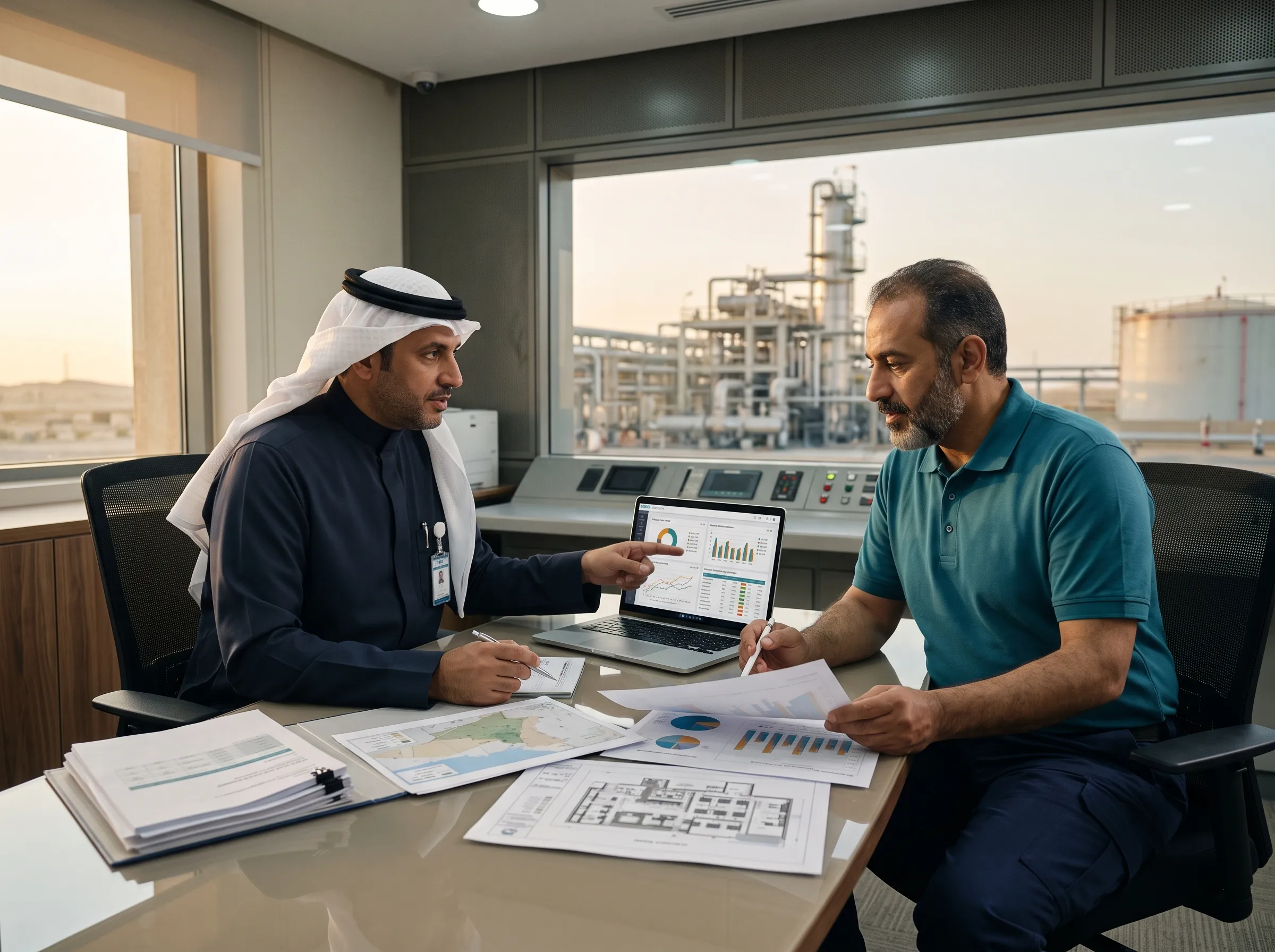
Aligning names, figures, drawings and versions while mapping each attachment to its requirement.
Names, areas, capacities, processes and environmental sources are checked across all documents because conflicting attachments may trigger questions or completion requests.
Permit status should be assessed early, and the effect of changes to the activity, capacity, site or processes should be reviewed before selecting the application route.

Reviewing the current permit's validity, updating environmental management information and required records, and addressing open comments before the renewal application.

Coordinating activity, capacity, product and site information between the environmental file and other project files to reduce inconsistencies, while keeping each authority's requirements and application route separate.
Deliverables vary according to the permit type, activity classification and approved technical scope. Client and consultant responsibilities are agreed before work begins.
Lists required, available and missing items, ownership and target dates.
A structured description of the site, capacity, inputs, outputs and impact sources.
Technical content appropriate to the classification, requirements and agreed scope.
Maps, drawings, photographs, forms and supporting evidence required for the application.
Tracks questions, updates and completion evidence throughout the follow-up scope.

When a comment is received, its relationship to the form, study or drawing is analyzed. The data source and update owner are then identified before the response is submitted. Some cases may require documents from the client, designer, contractor or supplier.
Start with the activity and project phase before collecting documents without a defined requirement.
Connect environmental data with drawings, processes, utilities and engineering files.
Check consistency, completeness, versions and attachments to reduce predictable completions.
Organize comments, responses, updates and responsibilities in a clear register.
The permit file can be connected with environmental studies, monitoring, management plans and operational support according to facility needs.
Send the activity type, location, project phase, capacity, drawings and any previous permit or study. We will help define the application route, requirements and initial scope of work.