
Construction-Disturbed Land
Areas affected by equipment movement, temporary storage or topsoil removal may require surface preparation, compaction management and improved conditions for recovery.

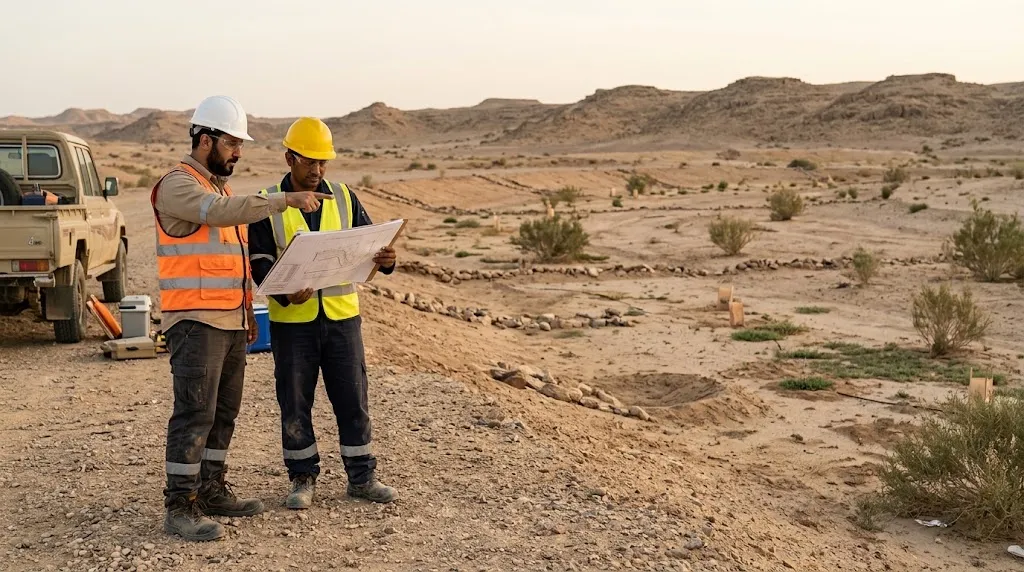
Terra Pulse supports the environmental rehabilitation of degraded sites in Saudi Arabia through land assessment, rehabilitation planning and implementation within the agreed scope. Solutions may include degraded land restoration, quarry rehabilitation, soil stabilisation and erosion control, and vegetation restoration, supported by monitoring and corrective actions.
Identify the pressures affecting soil, water and vegetation.
Connect the proposed works with site conditions and objectives.
Monitor site condition and adjust actions to the findings.
Environmental rehabilitation of degraded sites is a planned set of actions to improve land that has lost some of its environmental functions through excavation, vegetation removal, erosion, soil compaction or unsuitable use. The service starts by identifying the causes of degradation, then selecting interventions that support surface stability, suitable plant-growing conditions and managed runoff.
Rehabilitation extends beyond planting. A site may first require protection from continuing disturbance, compaction treatment, drainage improvements or support for natural regeneration. Objectives are defined around current conditions and future land use, recognising the difference between improving site function and achieving more complete recovery towards an appropriate reference ecosystem.
Rehabilitation may be needed when land condition affects surface stability, vegetation or future use. The appropriate scope follows a site review, activity-history assessment and examination of available information.
Areas affected by equipment movement, temporary storage or topsoil removal may require surface preparation, compaction management and improved conditions for recovery.
Rehabilitation planning considers the final landform, drainage routes, available soil resources and opportunities for phased works during operation or after activities stop.
Sites experiencing soil loss, erosion channels or sediment movement need assessment of runoff sources and wind exposure before surface-protection measures are selected.
Where repeated pressures have reduced vegetation, assessment considers protection, natural regeneration and the need for suitable planting.
Sites approaching closure or a change in use need rehabilitation works aligned with a defined future purpose and clear implementation, maintenance and monitoring responsibilities.
Repeated plant losses or damaged rehabilitation works require investigation of the underlying causes before the same intervention is repeated.
Environmental rehabilitation plans begin with an understanding of where degradation is occurring, what causes it, which areas need intervention and which areas should be protected. This avoids applying identical works across land with different conditions and constraints.
Where additional field data or laboratory analysis is needed, assessment can be coordinated with environmental monitoring and measurement services through a defined scope covering sampling, testing and required deliverables.
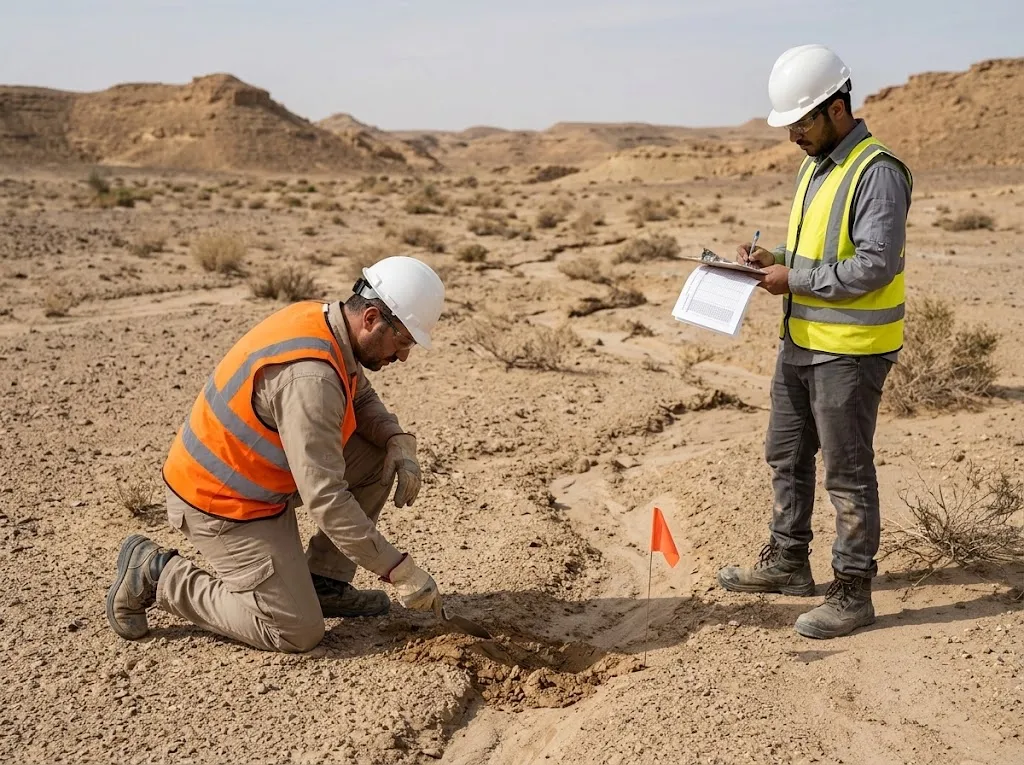
The service may cover planning, implementation and monitoring, or selected components. Works, deliverables and exclusions are defined in the technical proposal before the project begins.
Document degradation, divide the site into work zones and identify information gaps, environmental priorities and technical constraints.
Define objectives, interventions, implementation stages, responsibilities, resources, monitoring criteria and work-acceptance requirements.
Identify works needed to improve surface form and manage runoff, with a review of any specialist engineering design requirements.
Determine suitable handling of topsoil and growing media, and address constraints affecting surface stability or root development.
Select surface protection and runoff or sediment-management measures according to topography, soil characteristics and the source of disturbance.
Assess natural regeneration, select suitable plants or seed, and define planting, irrigation and protection requirements during establishment.
Connect rehabilitation with operating stages, the proposed final landform, soil and water management, and future site use.
Organise work sequences and inspection points, and document quantities, observations and changes within the agreed implementation scope.
Review soil, vegetation and drainage condition, investigate deterioration and update maintenance or rehabilitation measures when necessary.
An effective rehabilitation plan connects each identified problem with a defined action, work location, responsible party and verification method. Broad statements such as “improve the soil” or “replant the site” need practical details showing where works will take place and how their outcomes will be reviewed.
Environmental rehabilitation plan preparation establishes suitable objectives, whether these concern surface stability, vegetation recovery, reduced sediment movement or an agreed future land use. Comparable reference areas can help define an appropriate recovery direction while recognising the site's current constraints.
Where rehabilitation forms part of an operating project, its controls can be integrated with environmental management plans for projects and facilities so responsibilities, records and site-control procedures remain coordinated.
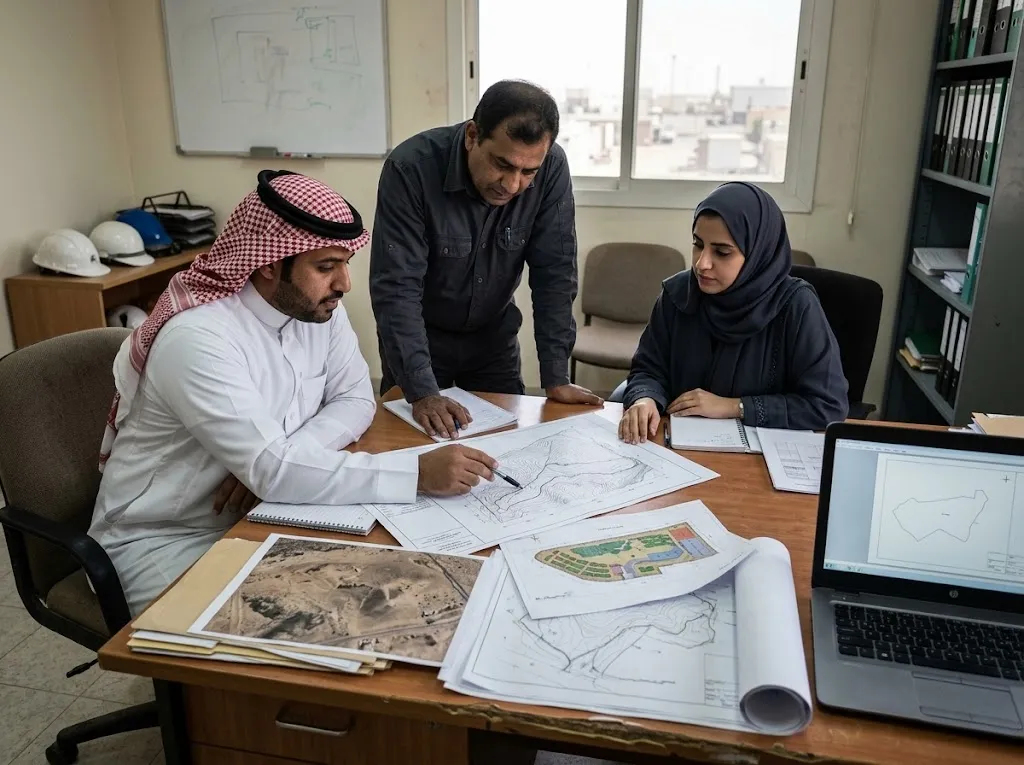
Quarry rehabilitation requires planning around excavation conditions, ground levels, available materials and water movement. Where operations allow, the site can be divided into rehabilitation stages rather than postponing all works until activity ends.
The proposed final land use is reviewed against quarry conditions before landform preparation, soil protection, drainage and planting zones are defined. Environmental rehabilitation is coordinated with any specialist geotechnical assessment needed for quarry faces or slopes.
For an explanation of planning stages and monitoring indicators, read our quarry rehabilitation plan guide .
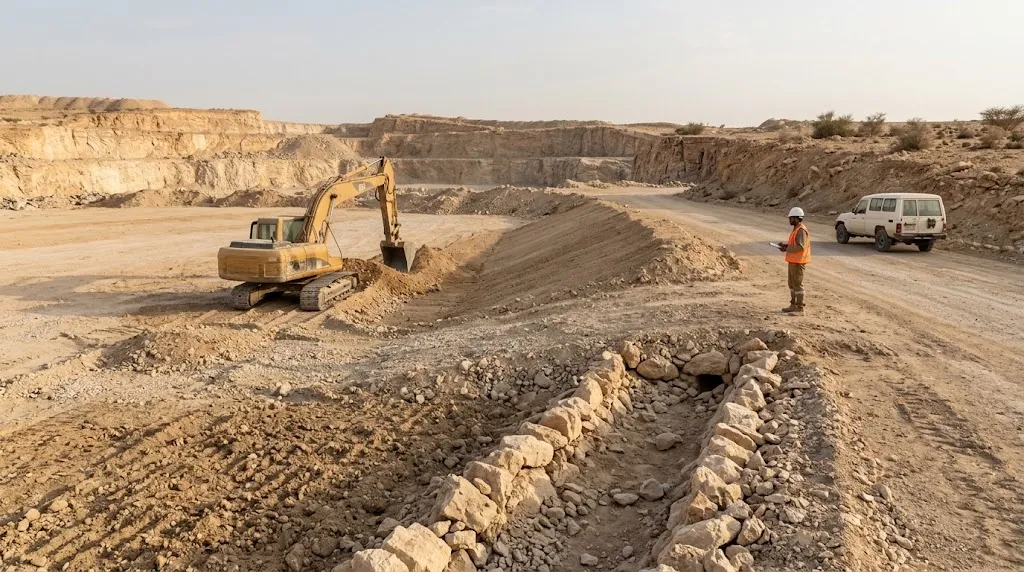
Soil stabilisation starts by understanding how soil is being lost or damaged: concentrated runoff, wind exposure, equipment movement or an unsuitable growing layer. Selecting a measure before understanding the cause may leave the problem unresolved or transfer it elsewhere on the site.
| Observed Problem | What Is Assessed? | Interventions for Consideration |
|---|---|---|
| Runoff-related erosion | Water sources, flow directions, gradients and concentrated-flow areas. | Designed drainage, protection of flow paths and suitable discharge-point protection. |
| Wind-exposed bare ground | Soil texture, wind exposure and existing vegetation condition. | Surface protection, suitable vegetation recovery and reduced repeated disturbance. |
| Equipment-related compaction | Compaction depth, infiltration and existing underground utilities. | Traffic management and controlled loosening where site conditions allow. |
| Unsuitable plant-growing layer | Soil depth, salinity, material characteristics and sources of replacement soil. | Suitable growing-medium preparation and soil management based on assessment and testing. |
| Repeated damage after rehabilitation | Continuing pressures, maintenance performance and suitability of the original intervention. | Correction of the underlying cause and revision of works or protection arrangements. |
Drainage dimensions and slope-protection details are not determined from photographs alone. Surveying, technical studies and engineering design requirements are reviewed according to site conditions.
Vegetation restoration aims to establish plants that can survive and perform an appropriate environmental role. Assessment first considers whether reducing disturbance can support natural recovery. Where planting is needed, the vegetation mix is selected around soil, climate, water availability and rehabilitation objectives.
One plant list cannot serve every degraded site. A species suitable for dry ground may be unsuitable for saline soil, and drought tolerance does not mean that every plant can stabilise a slope. Selected native species must match the site's actual environmental setting and suitable seed or seedling sources.
Our guide to plants for degraded land rehabilitation explains selection criteria. Planting and irrigation works can also be coordinated with landscaping and irrigation services where included in the project scope.
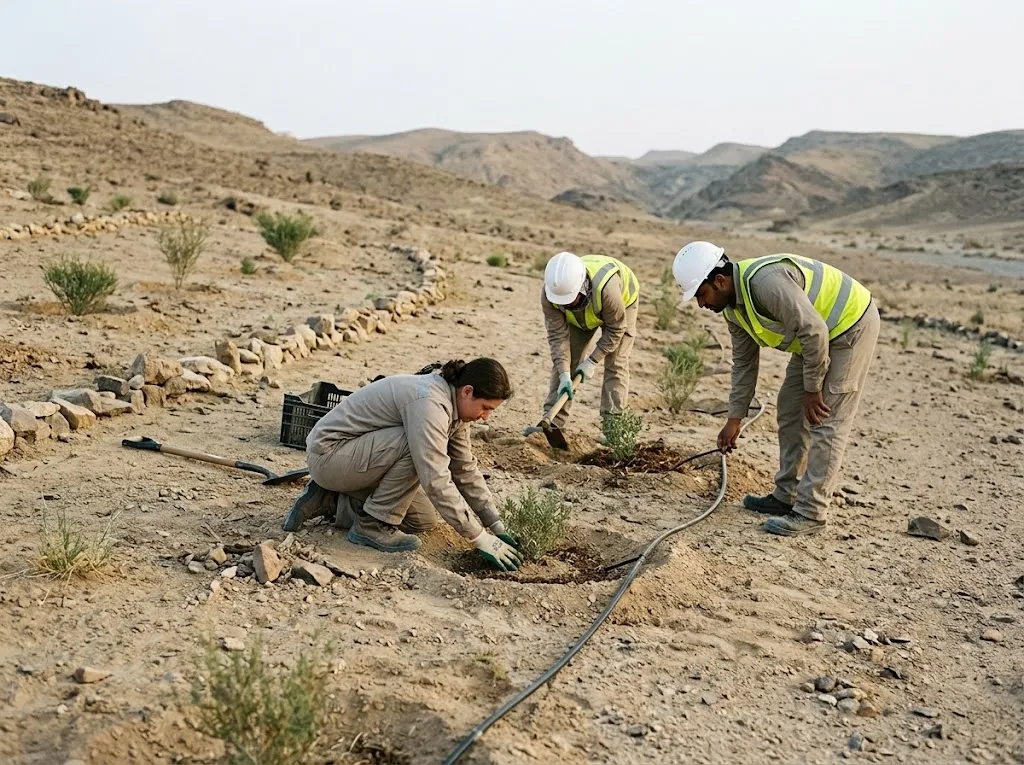
A defined work sequence allows decisions to be reviewed before the next stage and helps avoid works that do not match site conditions or rehabilitation objectives.
Collect the location, area, photographs, activity history and available requirements. Define the project objective and the assessment scope.
Document soil, water and vegetation condition. Identify affected zones and the tests or studies needed to support decisions.
Compare suitable interventions and connect the proposed approach with objectives, quantities, stages, responsibilities and monitoring indicators.
Deliver the agreed works in a technical sequence that considers existing-area protection, site safety and inspection points.
Record works, quantities, observations and changes. Review conformity with the agreed scope before closing each stage.
Assess surface stability, vegetation and drainage. Identify maintenance or corrective works when monitoring findings show a need.
Deliverables depend on whether the service covers assessment, planning, implementation or monitoring. The agreed package may include the following:
A description of current condition, degradation, available information, constraints and gaps affecting rehabilitation decisions.
Objectives, interventions, work zones, stages, responsibilities, maintenance requirements and monitoring arrangements.
Intervention, protection, drainage and planting areas shown at the level of detail agreed for the project.
Defined work items, estimated quantities, materials and requirements to support implementation planning and proposal review.
Documentation of completed works, observations, amendments and photographs linked to implementation stages.
Comparison of monitoring findings with objectives, including required actions and responsibility for implementation.
Share the site location, approximate area, recent photographs and activity description. These details help define the assessment scope and next step.
Completing earthworks or planting does not complete site monitoring. Environmental rehabilitation of degraded sites is reviewed through indicators suited to the objectives, using measurement locations, photographs and records that allow comparisons between visits.
Monitoring frequency reflects site sensitivity, planting season and the type of works. Rainfall, damaged protection measures or declining plant survival may justify an additional inspection rather than waiting for the next scheduled visit.
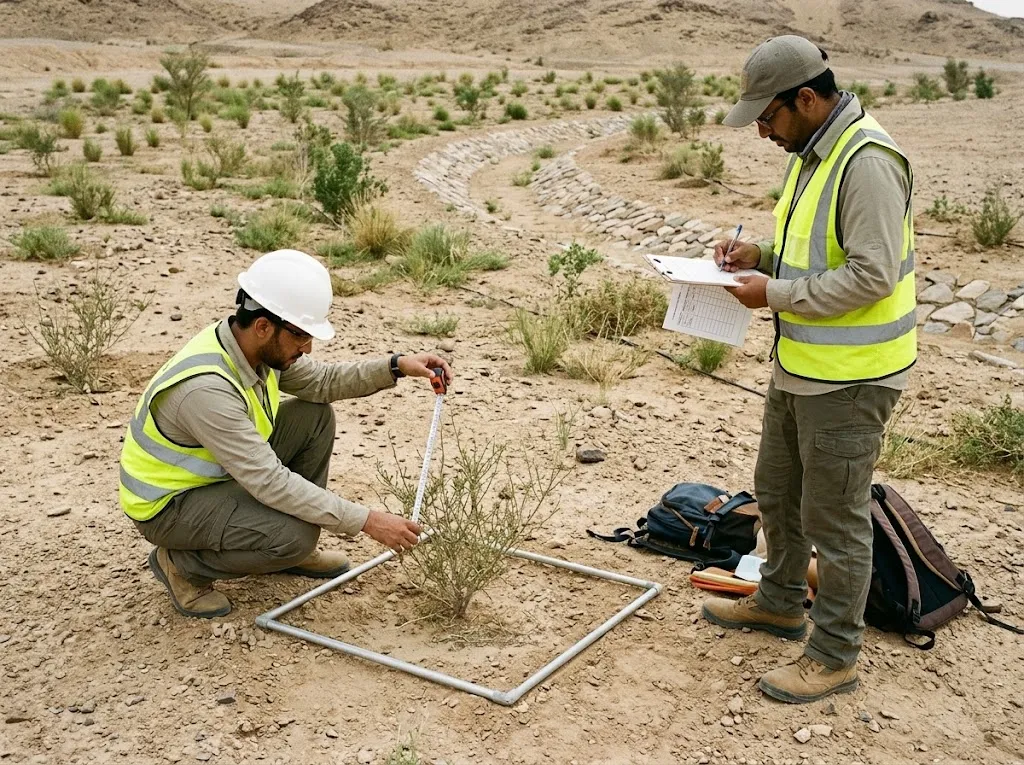
| Indicator | Documentation Method | What Does It Help Assess? |
|---|---|---|
| Plant survival | Counts of living plants within defined areas or samples. | Species suitability, establishment conditions and protection. |
| Vegetation cover | Field measurements and repeat photographs from known locations. | Development and distribution of vegetation across the site. |
| Soil surface condition | Records of erosion, crusting, cracks and sediment accumulation. | Surface-protection performance and the need for corrective works. |
| Drainage performance | Inspection of routes and outlets after relevant events. | Blockages, ponding or unexpected erosion. |
| Continuing disturbance | Records of traffic, grazing, storage or other pressures. | Site protection and prevention of repeated degradation. |
| Corrective-action completion | A register of findings, responsibilities, actions and closure checks. | Management response to issues identified during monitoring. |
Targets and acceptance criteria are established for each project according to its baseline, objectives and applicable requirements. A single success percentage is not applied to every site.
Plan quality depends on the supporting information, practical implementation requirements and a clear method for checking outcomes. Some conditions require specialist services coordinated before rehabilitation begins.
Where soil contamination by oils or chemicals is suspected, the need for contaminated site remediation is reviewed before reuse or revegetation. Planting does not replace contamination assessment and appropriate treatment.
Slopes, drainage works or complex ground conditions may require surveying, engineering or geotechnical assessment. These needs are defined through the environmental consulting and study scope before implementation details are finalised.
Project obligations and relevant authorities are reviewed according to the activity, location and intended use. Environmental permit support can be coordinated where needed. Preparing a plan does not replace required approvals.
Planning, implementation and recovery monitoring have different timescales and cost drivers. Each component is therefore defined clearly within the service scope.
The period needed to complete field works may differ from the period required to assess vegetation recovery and site stability. The proposed programme identifies implementation stages, monitoring and review dates without assuming immediate recovery.
It is a planned set of works to improve soil, water and vegetation condition at a degraded site. It starts with assessment of causes and constraints, followed by intervention selection, implementation and monitoring against a defined site objective.
The scope can include rehabilitation plan preparation, implementation and monitoring, or selected components. Responsibilities, works, deliverables and exclusions are defined in the technical proposal before the project begins.
Degraded land rehabilitation addresses issues such as erosion, compaction and vegetation loss. Contaminated sites require assessment of pollutants and associated risks, followed by suitable treatment. Both scopes may be needed at one site, with their implementation sequence coordinated.
It includes quarry condition assessment, proposed final use, rehabilitation stages, soil and drainage management, suitable revegetation and a monitoring programme. Engineering or geotechnical study requirements are identified according to site conditions.
Selection considers climate, soil, salinity, water, environmental objectives and suitable reference vegetation. Native species, seed or seedling sources, establishment needs and protection are reviewed rather than applying one plant list to every site.
No. Reducing pressures, protecting soil, managing traffic and supporting natural regeneration may be more suitable. Planting needs are determined after assessing site conditions, recovery potential and rehabilitation objectives.
Timescales and costs depend on site area, condition, information needs, works, materials and maintenance. Implementation time also differs from the recovery monitoring period. The programme and cost are defined after reviewing the site and service scope.
It is measured through indicators linked to the objectives, such as soil surface condition, drainage performance, plant survival, vegetation cover and continuing disturbance. Findings are compared with the baseline and agreed targets, with corrective actions identified where needed.
No. Plan preparation provides a technical document within the agreed scope. Approvals and requirements are reviewed according to the location, activity and relevant authority. Additional information or amendments may be requested during review.
Yes. It can be reviewed against current site conditions, implementation and monitoring findings, and changes in activities or objectives. Updates are defined after assessing data quality, information gaps and the causes of unmet objectives.
These guides explain decisions made before rehabilitation planning, plant selection and quarry recovery works.
Understand the drivers and warning signs that help identify the problem before rehabilitation works are selected.
Read the Land Degradation GuideExplore planning stages, progressive rehabilitation, monitoring and the relationship between works and future site use.
Read the Quarry Rehabilitation GuideReview how soil, climate and water influence plant selection, site preparation and vegetation recovery monitoring.
Read the Plant Selection GuideRegulatory requirements are reviewed according to the project location and activity, with reference to the relevant authorities. International technical guidance supports planning while being adapted to site conditions and applicable local requirements.
Images illustrate service activities and do not document completed Terra Pulse projects or actual project outcomes.
Whether you need environmental rehabilitation plans, restoration of construction-disturbed land or quarry rehabilitation, share your site information with Terra Pulse. We review the available details to identify assessment, planning, implementation and monitoring requirements.
Or send your enquiry through our contact page