Terra Pulse

Clearer operations. Better-informed decisions.

Facility Management Services in Saudi Arabia

Coordinate building operations, maintenance, asset information and performance reporting through a scope shaped around your facility. Terra Pulse supports facility owners with practical service planning and structured operational follow-up.

What does the service cover?
Depending on the agreed scope, facility management may include operations and maintenance, preventive and corrective work, asset records, work-order tracking, digital monitoring and performance reports.

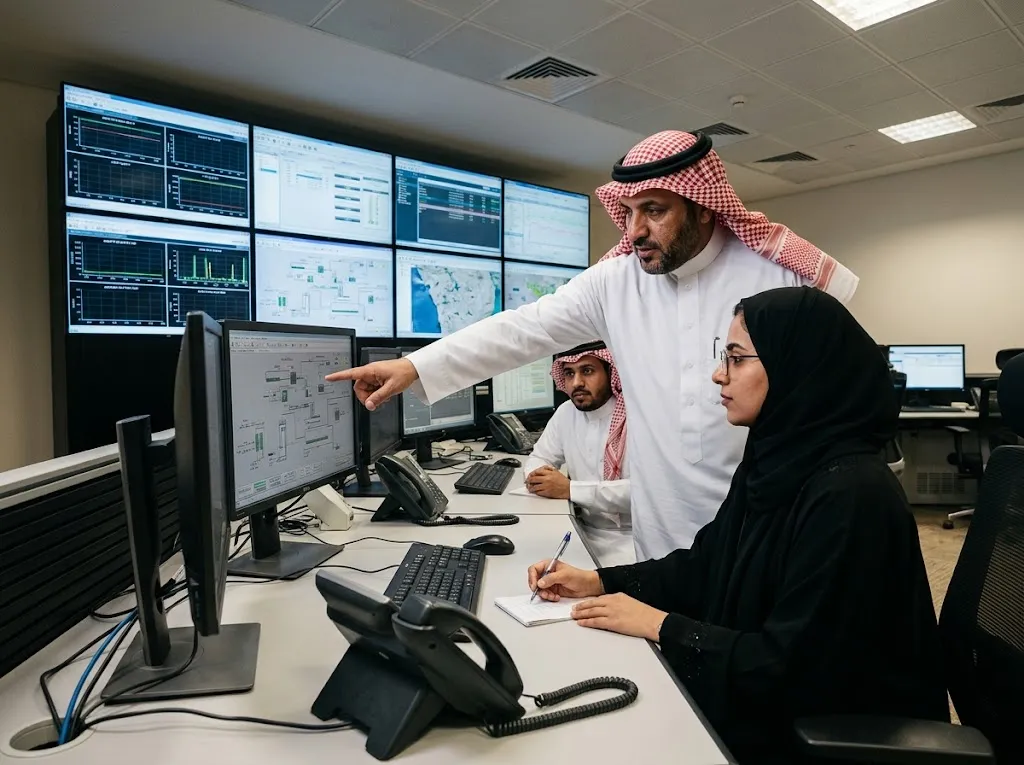
Facility specialists reviewing operational data in a control roomReliable follow-up starts with clear data and responsibilities

How do facility management services support a site?

Facility management brings people, technical systems, assets and operating procedures into a coordinated service framework. When assets are identified, inspections and work orders are recorded, and responsibilities are defined, teams can follow the status of work more consistently. Managers can then review service information, recurring issues and open actions using documented records instead of disconnected requests.

Service scope

A facility management company should start with the site’s actual needs

No single service list fits every building or industrial facility. Scope development begins with the facility’s purpose, systems, operating hours and current arrangements. The resulting plan may focus on operations and maintenance services, asset management services, preventive maintenance, digital facility monitoring, or a coordinated combination of these activities.

01 / OPERATIONS

Building and system operations

Organise routine operating activities for systems included in the contract, record observations and coordinate follow-up with the facility representative. Responsibilities, operating authority, permit requirements and approval points should be clear before mobilisation.

02 / MAINTENANCE

Preventive and corrective maintenance

Plan inspections and servicing according to asset type, condition, criticality and available manufacturer guidance. Record faults, repairs and closure evidence, while agreeing response priorities and service coverage for reported issues.

03 / ASSETS

Asset management and records

Create or update records for assets included in the agreed scope, such as asset type, location, identifier, condition and maintenance history. A reliable register helps connect reports to the correct equipment and supports maintenance planning and risk review.

04 / DIGITAL MONITORING

Work orders and operational data

Structure the recording of work orders, inspections, status updates, observations and available evidence, then organise the information for periodic review. Recording methods and any connection to client systems depend on project requirements and available technology.

05 / PERFORMANCE

Service indicators and reporting

Select measures that relate to the contracted services and define each indicator, its source data and reporting frequency. Reports can show completed and overdue work, recurring observations and decisions or actions required from the client.

06 / COORDINATION

Service teams and interfaces

Set points of contact and responsibilities for receiving requests, approving work and coordinating specialist vendors where applicable. Clear interfaces help reduce duplicated requests and make ownership of each action easier to follow.

Support services such as cleaning, landscaping or user services may be included when required and available within the contract. They are not automatically part of every facility management proposal.

Systems and assets

Operations and maintenance services shaped around each facility

Technical systems differ from one property to another, so the asset list, drawings and maintenance records should be reviewed before the service scope is finalised. Depending on the agreement and required team qualifications, facility management services may cover HVAC and ventilation, electrical systems, pumps and mechanical equipment, water and drainage networks, and other building systems identified by the client.

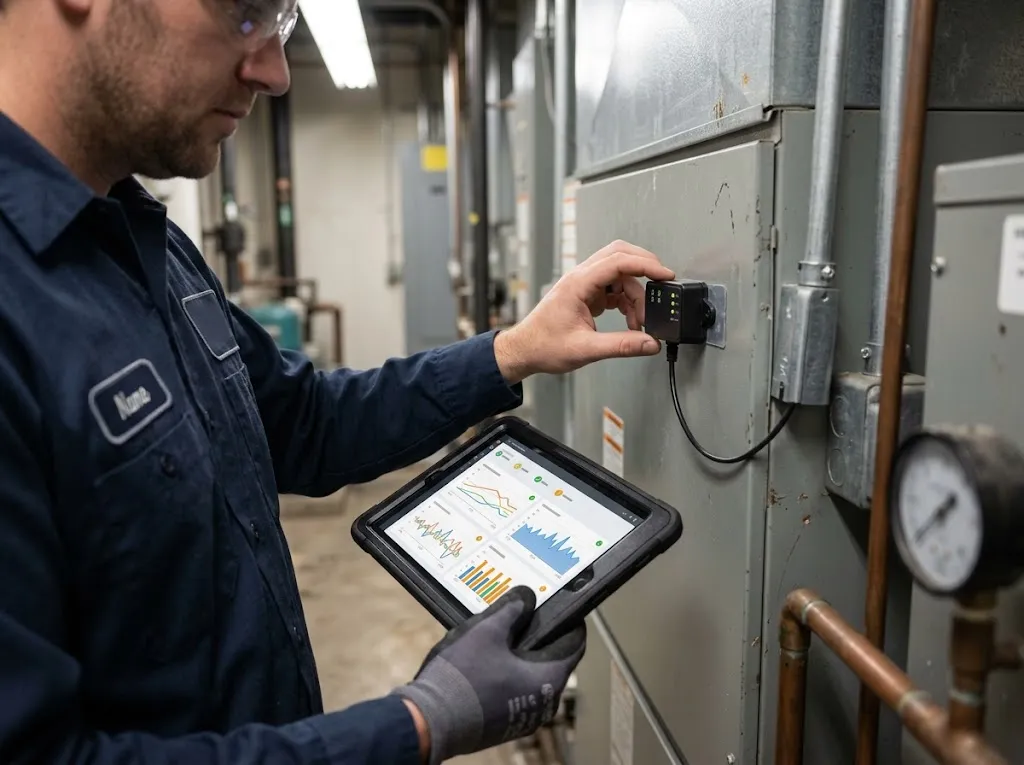
Technician reviewing a control panel and system information at a facility

System inspections and condition records

Document inspection results and connect observations to the relevant asset or location, including actions that require repair or later review.

Maintenance technician checking mechanical equipment in a service room

Mechanical equipment and pumps

Plan inspection and maintenance according to equipment type, operating history and available instructions, recording parts or work that need approval.

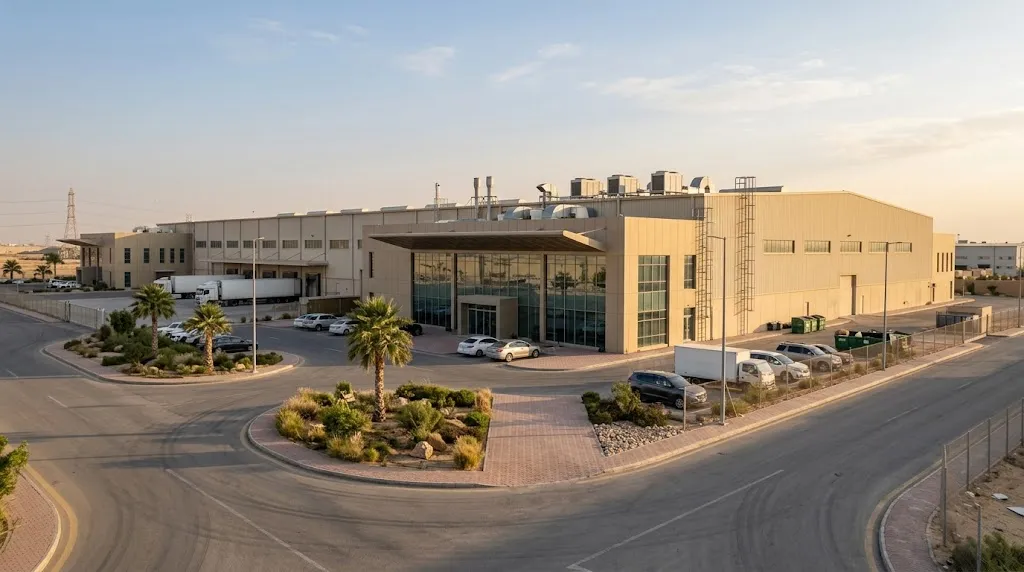
Modern facility exterior in an operations and asset management setting

Buildings and service areas

Dividing a site into identifiable areas and assets helps organise rounds, locate reported issues and compare conditions over time.

Maintenance planning

Preventive maintenance helps teams plan before equipment fails

Preventive maintenance is a scheduled set of tasks performed before an asset fails. Depending on the equipment, it may include inspection, cleaning, testing, adjustment, lubrication or component replacement in line with available manufacturer instructions and the facility plan. Corrective maintenance begins after a fault is identified or reported and focuses on diagnosis, repair and restoring the asset to an acceptable operating condition within applicable safety requirements and assigned authority.

This approach does not eliminate faults or guarantee uninterrupted operation. Outcomes are influenced by asset age, operating conditions, usage, parts availability and the quality of maintenance information. A consistent plan and record system can, however, help facility teams see completed and overdue tasks, identify recurring faults and prioritise interventions.

  • Group assets by type, criticality and condition.
  • Define inspection tasks, frequencies and approval responsibilities.
  • Record inspection results, observations and follow-up actions.
  • Log faults, repairs and related spare parts.
  • Review overdue work and repeat failures at agreed intervals.

Technician inspecting an electrical panel as part of planned maintenance
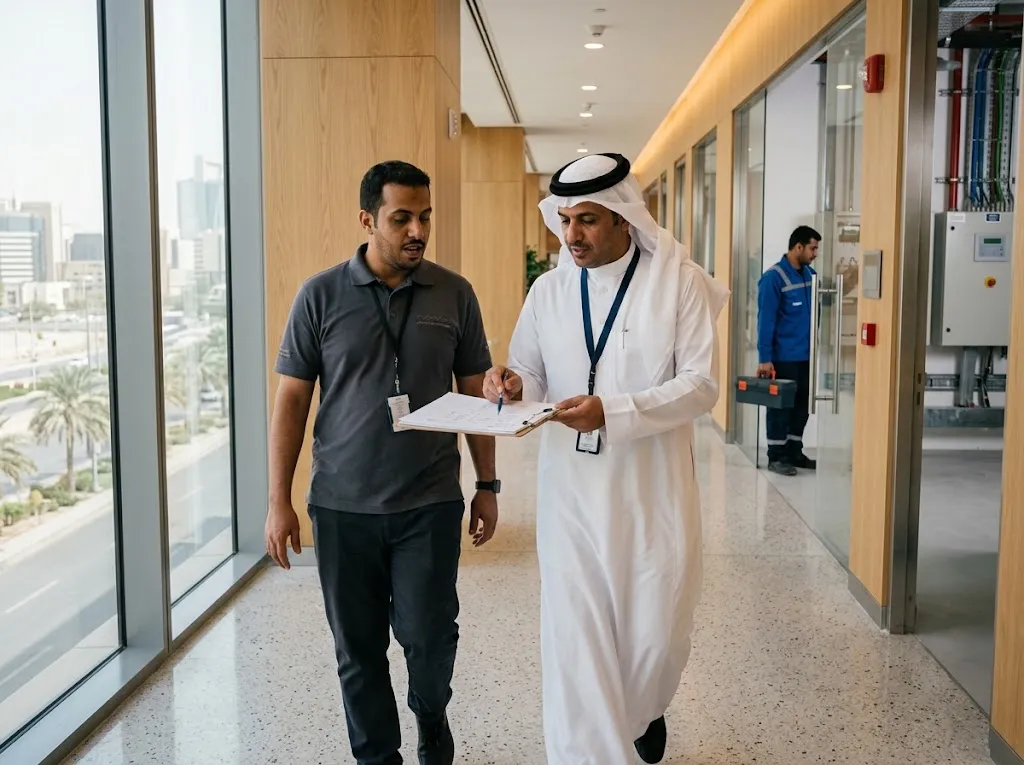
Facility supervisor recording observations during a building walkthrough
Digital facility monitoring

What does digital monitoring mean in facility management?

Digital facility monitoring is the organised capture and review of operational and maintenance information. It can begin with electronic asset registers, inspection records and work orders. Where suitable devices and interfaces are available, a project may also include data exchange with a client system or automated readings from agreed equipment.

A service proposal should not assume a proprietary platform, live monitoring or system integration unless those capabilities are available and included in the agreed scope. The project should define which data is collected, how it is captured, who can access it, how often reports are issued and who reviews the indicators. Technology can improve operational visibility, but the usefulness of the output still depends on accurate data and consistent site procedures.

  • Identify assets and service areas with clear references.
  • Record work orders, inspections and current status.
  • Document observations and permitted evidence under site policy.
  • Summarise work, condition and service indicators in reports.
  • Review exceptions, priorities and agreed next steps.
Performance measurement

Facility management KPIs: what to measure and how to interpret them

Indicators should answer specific operational questions, not simply add numbers to a report. Define each measure, calculation period, data source and exclusions, then review the baseline before agreeing a target. The examples below can be adapted to the contracted scope and available records.

Potential indicatorWhat it showsMeasurement considerations
Planned maintenance completionShare of scheduled preventive tasks completed during the reporting period.Agree what counts as complete, which exceptions apply and where execution records are kept.
Response timeTime between logging a request and starting work or attending site, as defined.Define service hours, coverage, priority levels and when the clock starts.
Time to restore serviceTime until an asset returns to service or the issue is closed under site procedure.Parts, client approvals and third-party dependencies can affect the result.
Repeat faultsNumber of recurring failures for an asset or system during a defined period.Consistent asset and fault codes are needed to review causes accurately.
Work-order backlogVolume, priority or age of work orders that remain open.Break results down by priority, status and responsible party where useful.
Asset availabilityWhether an asset is available when required under the agreed calculation.Define planned and unplanned downtime and any exclusions before comparing results.

Performance rates, savings and operational outcomes should not be presented as guaranteed in advance. Indicators and targets are set after reviewing site data, the baseline and the agreed scope of responsibility.

Delivery approach

How facility management services are mobilised

A clear transition from assessment to operation helps define what the service team needs from the client and when each decision or record is required.

Understand the facility

Review site purpose, operating hours, priority systems, existing work-request arrangements and the client’s service expectations.

Assess assets and data

Review in-scope assets, available records and drawings, maintenance history, known risks and vendor interfaces.

Agree the operating plan

Define roles, schedules, escalation paths, safety procedures, reporting methods and performance measures before work begins.

Operate and review

Deliver and record activities, then review reports, observations and priorities with the client and update the plan when site conditions change.

Facilities and sectors

Facility management for commercial, industrial and service environments

Facility management services in Saudi Arabia need to reflect each site’s activity, scale, climate, operating hours and safety requirements. The following environments can be assessed according to required specialisations and the availability of facility data:

Office buildings and corporate sitesCommercial buildings and complexesFactories and industrial facilitiesWarehouses and logistics centresResidential compounds and staff housingHealthcare and education facilitiesOperational and service sitesMulti-building facilities

How does the service change by site type?

At a factory, planning may prioritise systems that affect production continuity and coordination with operations teams. In an office or commercial building, service requests, indoor conditions and the readiness of shared areas may receive more attention. A warehouse or logistics facility may require schedules that account for shifts, equipment movement, access controls and operational peaks.

These differences help shape a realistic service scope; they do not imply a standard package for every sector. The assets included, coverage hours, responsibility for spare parts, support services and reporting requirements should be confirmed in writing after assessment.

Operations manager reviewing facility data at a digital workstation
Clear governance

What makes facility management easier to monitor?

The value of a facility management company is not measured only by the number of completed tasks. The service should also make work boundaries, records and performance reviews clear enough for the client to assess and act on.

Written responsibilities

Define included and excluded tasks, repair approvals, and what belongs to the service provider, client or external vendor.

Traceable records

Connect each work order to an asset, location, date, status and action so teams can review work history instead of repeating diagnosis.

Defined indicators

Explain calculations, time periods, data sources and exclusions so reported results can be read in context.

Priority-based escalation

Clarify who receives a request and how it is escalated when safety, a significant outage or an approval is involved.

Evidence-led improvement

Use fault history, overdue tasks and recurring observations to identify possible changes to schedules or procedures.

Client coordination

Agree periodic reviews to discuss site condition, open decisions and changes in the facility’s operating needs.

Scope and pricing

What affects the cost of facility management services?

A precise price cannot be determined from the service name alone. Cost can depend on site area, number of buildings and assets, equipment condition, operating hours and shifts, coverage level, required team specialisations, maintenance frequency, responsibility for parts and materials, and the way work and reports are recorded.

The estimate may also change if the site needs an initial asset survey, digital integration or out-of-hours response. Providing current facility information helps develop a more useful proposal. Final service boundaries and commercial terms should then be documented in the offer and contract.

  • Facility city and location, number of buildings or service areas.
  • Available asset or system list, condition and maintenance history.
  • Operating hours, shifts and required coverage.
  • Technical and support services to include.
  • Service levels, performance measures and reporting method.
  • Responsibility for parts, materials, permits and system integrations.
Facility specialist inspecting equipment to assess maintenance requirements
Frequently asked questions

Questions about facility management and digital monitoring

Practical answers about service scope, delivery and the information to prepare before requesting a proposal.

What is facility management?

Facility management coordinates the operation and maintenance of building systems, assets and related services. Depending on the agreement, it may include maintenance planning, asset records, work orders, reporting and support services.

What services does a facility management company provide?

Facility management services may include system operations, preventive and corrective maintenance, asset management, work-order coordination and performance reporting. Cleaning or other support services should be listed separately when they form part of the agreed scope.

How is facility management different from maintenance?

Maintenance is one part of facility management and focuses on inspecting, servicing and repairing assets. Facility management has a broader coordination role that may connect maintenance with daily operations, asset information, service requests, teams and reporting.

Does digital facility monitoring mean every system is monitored live?

No. Digital monitoring can begin with electronic asset registers, inspection records, work orders and periodic reports. Live monitoring or automated readings require suitable devices, data access and technical integration included in the project scope.

Which facility management KPIs can be used?

Examples include planned maintenance completion, response time, time to restore service, repeat faults, open work-order backlog and asset availability. Measures and targets should be selected after agreeing on data sources, baseline and scope.

Are spare parts and consumables included?

Responsibility for spare parts and consumables depends on the contract. The proposal should state who supplies them, how purchases are approved and whether the price includes materials or covers labour and service delivery only.

Can facility management support an existing site?

An operating facility can be assessed by reviewing assets, maintenance records, requests and current operating arrangements. If information is incomplete, an initial survey or asset register may be needed before the service plan is agreed.

What information is needed to request a proposal?

Share the facility location and size, number of buildings, key systems and assets, operating hours and shifts, required services, desired coverage and any available maintenance records. This helps define the initial scope before pricing.

Does Terra Pulse provide a proprietary digital facility management platform?

Data capture, reporting tools and any system integration are determined by client requirements, available systems and the agreed contract. A specific platform or monitoring function should not be assumed before the project details are reviewed.

Related resources

Explore these guides for additional information on facility management and maintenance practices:

Let’s define the right facility management scope

Tell us about your site, systems, operating hours and service requirements. Available information helps us discuss your needs and identify the next step for assessing operations, maintenance and digital monitoring.

Contact Terra Pulse on WhatsApp