

 ahmedhatem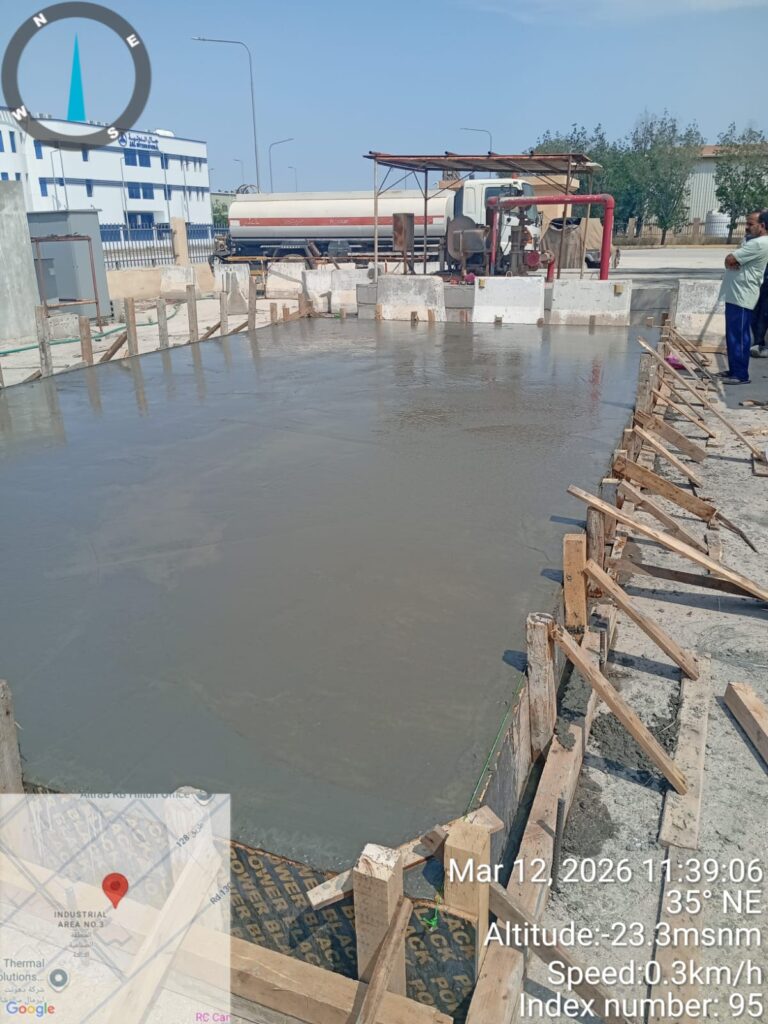
Construction contracting is one of the most important sectors contributing to the development of cities, communities, and modern infrastructure. From residential buildings and commercial properties to industrial facilities and large-scale developments, construction companies play a critical role in turning architectural plans and engineering concepts into functional, safe, and durable structures.
A successful construction project requires much more than simply putting materials together. It involves detailed planning, accurate budgeting, skilled labor, quality materials, professional project management, engineering supervision, safety procedures, and continuous communication between the client, consultants, contractors, suppliers, and workers.
With the rapid development of construction technologies and modern building methods, professional construction companies are increasingly expected to deliver projects that meet high standards of quality, efficiency, sustainability, and safety.
In this comprehensive guide, we will explore the meaning of construction contracting, the main types of construction services, the stages of a construction project, the importance of choosing the right contractor, common challenges, quality control, safety, technology, and the key factors that contribute to successful project delivery.
What Is Construction Contracting?
Construction contracting refers to the professional services involved in building, developing, renovating, restoring, or maintaining residential, commercial, industrial, and other types of structures.
A contractor or construction company is responsible for carrying out the agreed scope of work according to approved architectural and engineering drawings, technical specifications, project requirements, budget, and schedule.
Construction contracting can involve a wide range of activities, including site preparation, excavation, foundations, structural work, masonry, electrical systems, plumbing, HVAC systems, waterproofing, insulation, interior finishing, exterior works, landscaping, testing, and final handover.
Depending on the size and complexity of the project, a construction company may coordinate architects, civil engineers, structural engineers, electrical engineers, mechanical engineers, supervisors, technicians, skilled workers, suppliers, subcontractors, and project managers.
Why Is the Construction Industry Important?
The construction industry plays a major role in economic and social development.
New construction projects create residential communities, offices, schools, hospitals, shopping centers, factories, warehouses, roads, and other facilities that support people’s daily lives and business activities.
The industry also supports many other sectors, including manufacturing, transportation, engineering, equipment rental, building materials, logistics, architecture, interior design, and real estate.
For large projects, professional construction management becomes especially important because hundreds of activities may need to be coordinated simultaneously.
Effective management helps control costs, reduce delays, improve quality, manage resources, and ensure that the project progresses according to the approved plan.
Main Types of Construction Contracting
Construction contracting can be divided into several major categories depending on the purpose and nature of the project.
1. Residential Construction
Residential construction includes the development of houses, villas, apartment buildings, residential compounds, and other housing projects.
Residential projects may include everything from excavation and foundations to structural construction, masonry, electrical installations, plumbing, waterproofing, flooring, painting, kitchens, bathrooms, doors, windows, and exterior finishes.
Quality and attention to detail are particularly important in residential construction because homeowners usually care about both structural performance and the appearance, comfort, and functionality of their property.
2. Commercial Construction
Commercial construction includes offices, retail stores, restaurants, shopping centers, showrooms, hotels, and other business facilities.
Commercial projects often require strict schedule management because delays can postpone the opening of the business and potentially result in significant financial losses.
Commercial buildings may also require specialized electrical systems, lighting, HVAC, fire protection, security systems, data networks, and customized interior designs.
3. Administrative and Office Construction
Office and administrative projects focus on creating productive, comfortable, and functional work environments.
These projects may include open offices, private offices, meeting rooms, reception areas, conference rooms, employee facilities, server rooms, and specialized spaces.
Modern office construction often integrates networking infrastructure, access control, surveillance systems, smart building technologies, lighting systems, and energy-efficient HVAC solutions.
4. Industrial Construction
Industrial construction includes factories, warehouses, production facilities, workshops, logistics centers, and other industrial buildings.
Industrial projects are often more technically complex because they may involve heavy equipment, production lines, specialized electrical systems, mechanical installations, ventilation, fire protection, and strict operational requirements.
Successful industrial construction requires close coordination between engineering disciplines and the client’s operational requirements.
5. Renovation and Restoration
Construction companies do not only build new structures. They also renovate, restore, upgrade, and modernize existing buildings.
Renovation projects may include repairing cracks, replacing electrical and plumbing systems, improving insulation, treating moisture problems, renovating bathrooms and kitchens, upgrading flooring and ceilings, repainting walls, and improving exterior facades.
A well-planned renovation can significantly improve the functionality, appearance, safety, and value of an existing property.
Major Construction Services
Professional construction companies can provide a wide range of services depending on the project’s requirements.
Site Preparation
Site preparation is one of the first steps in construction.
It may include clearing the site, removing obstacles and debris, leveling the ground, preparing access routes, establishing work areas, and organizing temporary facilities.
Proper site preparation creates a safer and more efficient working environment and helps ensure that subsequent construction activities can proceed smoothly.
Excavation and Earthworks
Excavation involves removing soil to prepare the site for foundations, underground structures, drainage systems, basements, utilities, and other elements.
The excavation process must be carefully planned according to engineering drawings and site conditions.
Proper equipment and experienced operators are essential for maintaining safety and accuracy during earthworks.
Foundation Construction
Foundations are among the most critical components of any building.
They transfer the structural loads of the building to the ground and help maintain stability over time.
The type of foundation required depends on factors such as soil conditions, building loads, structural design, and site characteristics.
Because foundation problems can have serious consequences, this stage requires careful engineering, accurate execution, and proper inspection.
Structural Construction
Structural construction includes columns, beams, slabs, walls, reinforcement, concrete works, and other structural components.
The structural phase requires accurate measurements, proper reinforcement placement, appropriate concrete quality, and strict compliance with approved structural drawings.
Regular inspection during this phase helps identify problems before they become difficult or expensive to correct.
Masonry and Building Works
After the structural frame is completed, masonry and partition works can begin.
Walls and partitions are constructed according to architectural drawings, with openings provided for doors, windows, electrical systems, plumbing, HVAC, and other services.
Accurate alignment and dimensions are important because poor masonry work can affect later finishing activities.
Electrical Installation
Electrical systems are essential to almost every modern building.
Electrical contracting may include:
- Main electrical panels.
- Power distribution.
- Lighting systems.
- Electrical outlets.
- Cable installation.
- Emergency lighting.
- Data and communication infrastructure.
- Security systems.
- CCTV systems.
- Access control.
- Smart building systems.
Electrical installations must be properly designed and installed to ensure safety, reliability, efficiency, and ease of future maintenance.
Plumbing and Drainage
Plumbing works include water supply systems, drainage networks, sanitary fixtures, kitchens, bathrooms, pumps, tanks, and related equipment.
Proper plumbing installation is essential to prevent leaks, water damage, unpleasant odors, drainage problems, and future maintenance issues.
Testing the plumbing system before closing walls or completing finishes is an important part of quality control.
Waterproofing and Insulation
Waterproofing protects buildings from water penetration and moisture-related problems.
It can be applied to:
- Roofs.
- Bathrooms.
- Kitchens.
- Basements.
- Water tanks.
- Balconies.
- Foundations.
- Other areas exposed to moisture.
Thermal insulation is also increasingly important because it can improve indoor comfort and reduce energy consumption.
Proper insulation can help buildings maintain more stable indoor temperatures while reducing the workload on air-conditioning and heating systems.
Interior Finishing
Interior finishing is the stage where the building begins to take its final visual form.
It can include flooring, wall treatments, painting, ceilings, doors, windows, lighting fixtures, kitchens, bathrooms, decorative elements, and other interior details.
The quality of finishing can have a major impact on the appearance and perceived value of the property.
Flooring
Different flooring materials can be selected depending on the function of each space.
Common options include ceramic tiles, porcelain, marble, granite, wood, vinyl, and other specialized flooring systems.
The selection should consider durability, maintenance requirements, aesthetics, budget, and expected usage.
Painting
Painting provides both aesthetic and protective benefits.
Before painting, surfaces should be properly prepared by repairing cracks, removing dust, leveling imperfections, and applying the appropriate primers.
Selecting suitable paint products is also important for achieving long-lasting results.
Ceilings
Ceiling systems may include traditional painted ceilings, suspended ceilings, gypsum board systems, decorative ceilings, and integrated lighting solutions.
Modern ceiling designs can also accommodate air-conditioning outlets, lighting, smoke detectors, speakers, and other building systems.
Exterior Facades
The exterior facade is one of the most visible elements of a building.
A well-designed facade can improve the property’s appearance, identity, energy performance, and market value.
Facade materials can include stone, marble, glass, exterior coatings, metal panels, composite materials, and other modern systems.
The appropriate choice depends on architectural requirements, environmental conditions, maintenance needs, and budget.
Stages of a Construction Project
A successful construction project typically progresses through several interconnected stages.
Stage 1: Project Planning
The first stage involves understanding the project’s objectives, requirements, budget, location, design, and expected completion date.
At this point, the project team reviews architectural and engineering drawings and identifies the resources required for implementation.
Stage 2: Cost Estimation
The project cost is estimated based on materials, labor, equipment, transportation, subcontractors, permits, and other expenses.
Accurate quantity surveying and cost estimation can help reduce unexpected financial problems later.
Stage 3: Procurement
Materials, equipment, tools, and other resources are sourced and prepared for the project.
Procurement must be coordinated with the construction schedule to ensure that required materials arrive when needed.
Stage 4: Site Preparation
The construction site is prepared for implementation through clearing, leveling, excavation, temporary facilities, and site organization.
Stage 5: Structural Construction
Foundations, columns, beams, slabs, structural walls, and other major structural elements are constructed.
Stage 6: MEP Installation
Mechanical, electrical, and plumbing systems are installed and coordinated with the architectural and structural works.
Stage 7: Finishing
Interior and exterior finishes are completed, including flooring, painting, ceilings, doors, windows, facades, and other architectural elements.
Stage 8: Testing and Inspection
Systems and completed works are inspected and tested.
Any defects, incomplete works, or quality issues are identified and corrected before final handover.
Stage 9: Final Handover
Once all work has been completed and approved, the project is handed over to the client.
Documentation, warranties, manuals, test results, and other required information may also be provided during the handover process.
Quality Control in Construction
Quality control should be maintained throughout the entire construction process rather than being treated as a final inspection.
Several factors contribute to high-quality construction.
Using Quality Materials
Construction materials should meet the required technical specifications and be appropriate for the intended application.
Choosing materials based only on the lowest price can create problems in the future.
Professional Supervision
Experienced engineers and supervisors can monitor construction activities and identify problems at an early stage.
Following Approved Drawings
Construction work should follow approved architectural, structural, mechanical, and electrical drawings.
Any significant changes should be reviewed and approved before implementation.
Regular Inspections
Regular inspections allow construction teams to identify defects while they are still relatively easy and inexpensive to correct.
The Importance of Project Management
Project management is one of the most important aspects of successful construction.
A project manager coordinates the different teams involved in the project and monitors schedule, budget, quality, procurement, safety, and communication.
Effective project management can help prevent conflicts between different trades and ensure that construction activities are completed in the correct sequence.
Managing Construction Costs
Cost control is one of the biggest challenges in construction projects.
Project costs can increase due to:
- Material price changes.
- Design changes.
- Incorrect quantity estimates.
- Construction delays.
- Poor project management.
- Rework.
- Unexpected site conditions.
- Poor material planning.
To control costs, project teams should maintain accurate budgets, monitor expenses, approve changes carefully, and regularly compare actual spending with the original estimate.
Construction Scheduling
Time management is another critical factor in construction.
A detailed construction schedule identifies the activities required to complete the project and establishes the expected duration of each stage.
A good schedule also identifies dependencies between activities.
For example, flooring cannot normally be completed before the relevant structural, plumbing, electrical, and surface preparation works have been completed.
Regular schedule monitoring helps project managers identify delays and take corrective action.
How to Choose the Right Construction Company
Choosing the right contractor can significantly affect the success of a project.
The decision should not be based on price alone.
Before selecting a construction company, consider:
Experience
Look for experience in projects similar to yours.
Previous Projects
Review completed projects to evaluate workmanship and quality.
Professional Team
A qualified team of engineers, supervisors, technicians, and skilled workers is essential for complex projects.
Project Management
Ask how the company manages schedules, budgets, procurement, subcontractors, and quality control.
Clear Contract
The contract should clearly define responsibilities, scope of work, materials, payment terms, schedule, warranties, and procedures for handling changes.
Communication
Good communication between the contractor and client can prevent misunderstandings and improve decision-making.
Common Construction Mistakes
Several common mistakes can negatively affect construction projects.
Starting Construction Without Complete Planning
Beginning construction before drawings and specifications are finalized can result in costly changes.
Choosing a Contractor Based Only on Price
The cheapest quotation is not always the most economical option in the long term.
Poor-quality materials or workmanship can create additional repair and maintenance costs.
Poor Documentation
Changes, approvals, payments, inspections, and project decisions should be properly documented.
Frequent Design Changes
Constant changes during construction can increase costs and extend the project schedule.
Lack of Supervision
Without proper monitoring, construction defects may remain unnoticed until they become difficult and expensive to fix.
Construction Safety
Safety should be a fundamental part of every construction project.
Construction sites may contain numerous hazards, including heavy machinery, electrical systems, excavation areas, elevated work, construction materials, and moving equipment.
Safety procedures may include:
- Personal protective equipment.
- Site access control.
- Equipment inspections.
- Safety training.
- Proper signage.
- Fall protection.
- Electrical safety procedures.
- Emergency response plans.
- Regular site inspections.
A strong safety culture protects workers and helps prevent accidents, delays, and project disruptions.
The Role of Technology in Modern Construction
Technology has transformed the way construction projects are designed, managed, and executed.
Modern construction companies increasingly use digital tools for project planning, documentation, communication, scheduling, cost tracking, and quality management.
Building Information Modeling (BIM), 3D visualization, digital project management platforms, drones, automated reporting, and other technologies can improve coordination and reduce errors.
Digital tools also make it easier for clients and project teams to monitor progress and access important project information.
Sustainable Construction
Sustainability is becoming increasingly important in the construction industry.
Sustainable construction focuses on reducing environmental impact while improving the efficiency and long-term performance of buildings.
This can involve:
- Energy-efficient lighting.
- Improved insulation.
- Efficient HVAC systems.
- Water-saving fixtures.
- Sustainable materials.
- Natural lighting.
- Renewable energy systems.
- Efficient building designs.
- Waste reduction.
Sustainable construction can also reduce long-term operating and maintenance costs.
Why Professional Construction Services Matter
A professional construction company provides more than labor.
It provides planning, coordination, technical expertise, project management, quality control, procurement, and problem-solving.
A professional contractor understands how different construction disciplines interact and can coordinate the work to reduce conflicts and delays.
This becomes especially important in large or technically complex projects where multiple subcontractors and engineering disciplines must work together.
Construction and Long-Term Property Value
High-quality construction can have a direct impact on the long-term value of a property.
A well-built structure with reliable electrical, plumbing, waterproofing, structural, and finishing systems generally requires fewer repairs and can maintain its appearance and functionality for longer.
Professional construction should therefore be viewed as a long-term investment rather than simply an immediate expense.
How to Start a Successful Construction Project
If you are planning a new construction, renovation, commercial development, office, villa, residential building, or industrial facility, the best approach is to start with a clear plan.
First, define the purpose and requirements of the project.
Then establish a realistic budget and consult qualified architects and engineers to develop the necessary designs and technical documentation.
After that, compare qualified construction companies based on experience, quality, previous work, project management capabilities, pricing, and communication.
Before construction begins, make sure the contract clearly defines the scope of work, materials, payment schedule, completion timeline, responsibilities, and procedures for handling changes.
During construction, monitor progress regularly and maintain clear communication with the project team.
Finally, conduct comprehensive inspections and testing before accepting the completed project.
Frequently Asked Questions About Construction Contracting
How long does a construction project take?
The duration depends on the project’s size, complexity, location, design, materials, labor availability, and scope of work. A small renovation may take weeks, while larger projects can require many months or longer.
Should I choose the cheapest construction company?
Not necessarily. The best choice should provide a reasonable balance between cost, quality, experience, reliability, and project management.
Can one construction company handle the entire project?
Yes. Some companies provide turnkey construction services and manage the project from initial preparation through construction, finishing, testing, and handover.
What should a construction contract include?
A construction contract should clearly define the scope of work, project specifications, materials, cost, payment terms, schedule, responsibilities, quality requirements, warranties, and procedures for handling changes or disputes.
Why is engineering supervision important?
Engineering supervision helps ensure that construction activities follow approved drawings, technical specifications, quality standards, and safety requirements.
What is turnkey construction?
Turnkey construction is a comprehensive service in which the contractor manages most or all aspects of the project and delivers the completed facility ready for use.
Conclusion
Construction contracting is a complex process that requires careful planning, experienced professionals, quality materials, effective project management, and continuous supervision.
From site preparation and foundations to structural works, electrical systems, plumbing, waterproofing, finishing, testing, and final handover, every stage has an important role in determining the quality and success of the final project.
Choosing a professional and experienced construction company can help reduce risks, control costs, improve quality, and ensure that the project is completed according to the agreed requirements.
Whether you are planning to build a home, villa, office, commercial property, industrial facility, or renovate an existing building, successful construction starts with proper planning and the right team.
With the right combination of engineering expertise, quality materials, professional management, modern technology, and attention to detail, a construction project can become a durable, efficient, and valuable investment for many years to come.
